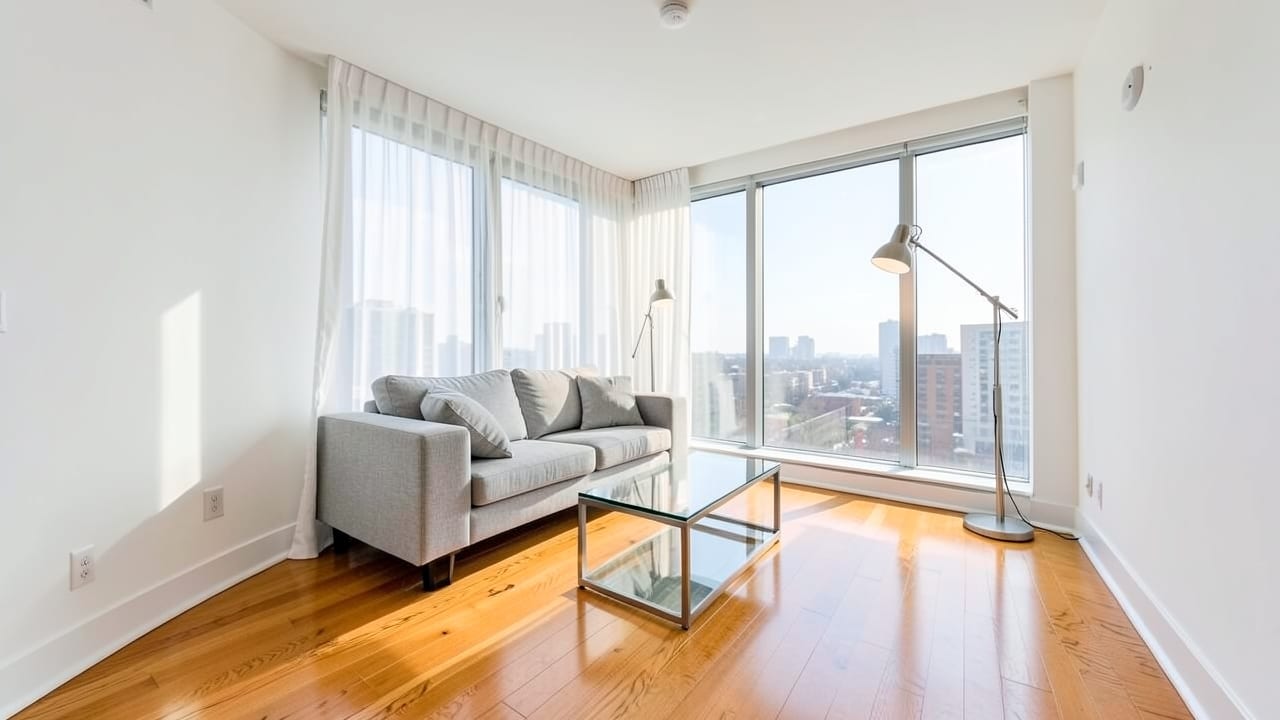
Condo Mold Remediation
Professional removal and treatment of mold in condominiums to restore safe, healthy living spaces.
Mold in your Haverford condo can spread quickly if left unchecked, especially in shared spaces or areas with hidden moisture. Professional remediation involves containment, removal of contaminated materials, and structural drying to prevent recurrence. Proper ventilation and moisture control are critical for long-term results in Haverford’s humid climate.
When mold needs professional removal
Mold covering more than a small patch or returning after cleaning often signals a deeper issue. Growth hidden behind walls, under flooring, or inside HVAC ducts requires professional tools and techniques to address safely. A musty smell with no visible mold is another warning sign of hidden contamination.
We also handle Pre-Sale Mold Clearance and Post-Remediation Sealing for Haverford properties.
In Haverford, where older buildings and seasonal humidity are common, mold can recur if the moisture source isn’t fixed. A professional assessment determines whether the problem is surface-level or structural, guiding the appropriate remediation steps.
Signs You Need Professional Mold Remediation
- Mold covers more than 25 contiguous square feet (a common threshold for professional work).
- Growth returns in the same spot after cleaning, indicating an unresolved moisture issue.
- A musty odor persists with no visible mold, suggesting hidden contamination.
- Mold appears in multiple rooms or spreads through HVAC vents.
What affects cost and timeline
The size of the affected area, the type of materials involved, and the extent of hidden contamination all influence the scope of work. Remediation in condos often requires coordination with shared spaces, which can extend timelines.
Structural drying and clearance testing add to the process but are essential for ensuring the issue is fully addressed.
Pricing varies based on square footage, containment needs, and whether additional moisture sources must be addressed. A thorough inspection before work begins helps set accurate expectations for both cost and duration.
Why containment and testing matter
Containment prevents spores from spreading to unaffected areas during removal. Plastic sheeting and negative-air machines seal the work zone, while HEPA-filtered equipment captures airborne spores instead of recirculating them. Without proper containment, spores can migrate through hallways or HVAC systems, turning a small job into a larger one.
Clearance testing after remediation confirms spore levels are back to normal. Independent testing ensures the work meets industry standards and reduces the risk of recurrence.
A torn plastic barrier, open doors, or improper negative air pressure can let spores escape containment. Always verify that the work area is fully sealed before removal begins.
How condo mold remediation works
Professional remediation follows strict steps to safely remove mold and prevent regrowth.
- 1Containment Setup
Plastic sheeting and negative-air machines seal the affected area to prevent spores from spreading during removal.
- 2Material Removal
Porous materials like drywall or carpet padding are cut out and bagged, while non-porous surfaces are cleaned and treated.
- 3Structural Drying
Industrial dehumidifiers and air movers reduce moisture in framing and subfloors to prevent future mold growth.
- 4HEPA Cleanup
HEPA-filtered air scrubbers and vacuums remove remaining spores from the air and surfaces.
- 5Clearance Testing
Independent air or surface sampling confirms spore levels are back to normal before the area is released.
Frequently asked questions
Can I clean small mold patches myself?
Surface mold covering less than 25 square feet can often be cleaned with detergent and water, but hidden or recurring mold requires professional removal. Always address the moisture source to prevent regrowth.
How long does remediation take?
Timelines vary based on the size of the affected area and whether hidden contamination is found. Containment, drying, and testing can extend the process over several days.
Will my insurance cover mold remediation?
Some policies cover mold damage if caused by a covered event (e.g., plumbing leak), but exclusions vary. Review your policy or consult your insurer before proceeding.
How do I know if mold is hidden behind walls?
Signs include persistent musty odors, condensation on windows, or water stains on ceilings. A professional inspection with moisture meters or thermal imaging can detect hidden issues.
See Morton, PA for more, or discover what's included in our Haverford service for our complete lineup.
Ready to get started?
Talk to a local mold remediation pro in Haverford — get a written quote.
Other Mold Remediation Services in Haverford
Pre-Sale Mold Clearance in Haverford, PA
Pre-sale mold clearance involves inspection and testing to confirm a property is mold-free before purchase.
Learn More
Post-Remediation Sealing in Haverford, PA
Applying protective sealants to surfaces after mold remediation to prevent future growth.
Learn More
Mold Inspection in Haverford, PA
Mold inspection in Haverford, PA — a visual and moisture-meter assessment that finds the source of growth, not just the visible spot on the wall.
Learn More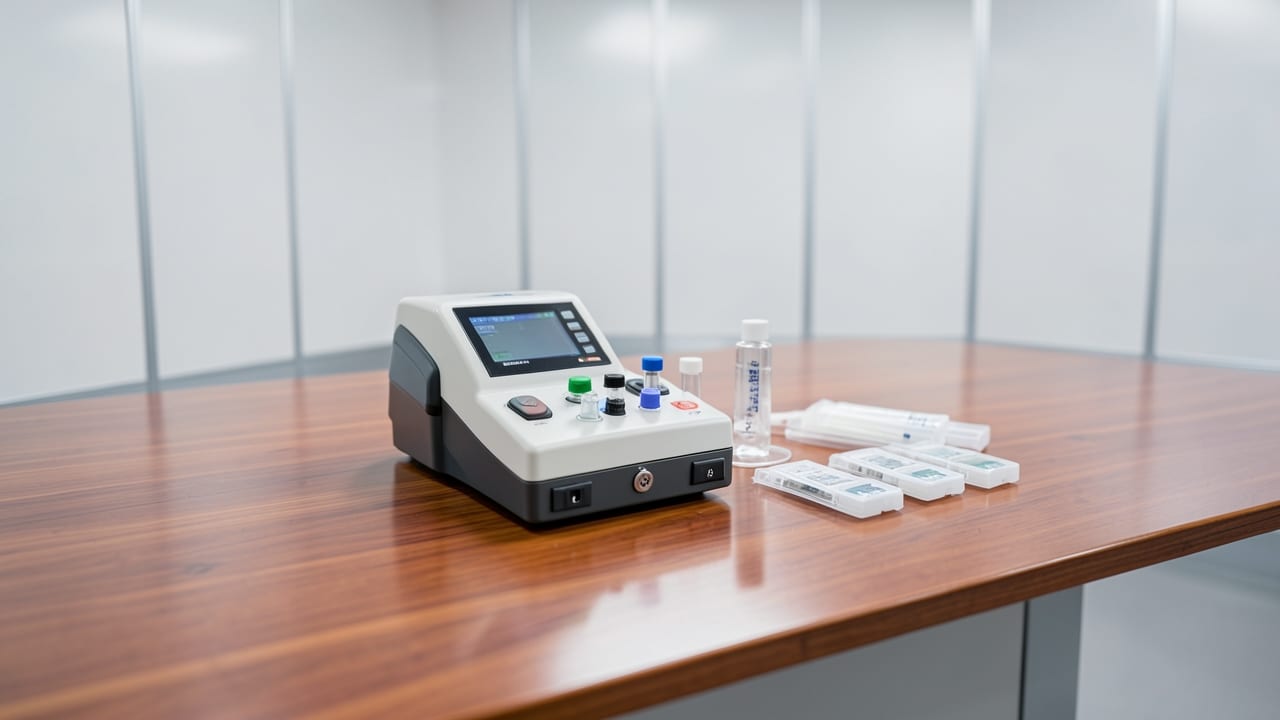
Mold Testing & Air Quality Testing in Haverford, PA
Mold and indoor air quality testing in Haverford, PA — lab-analyzed air and surface samples confirm what's actually growing and whether it's airborne.
Learn More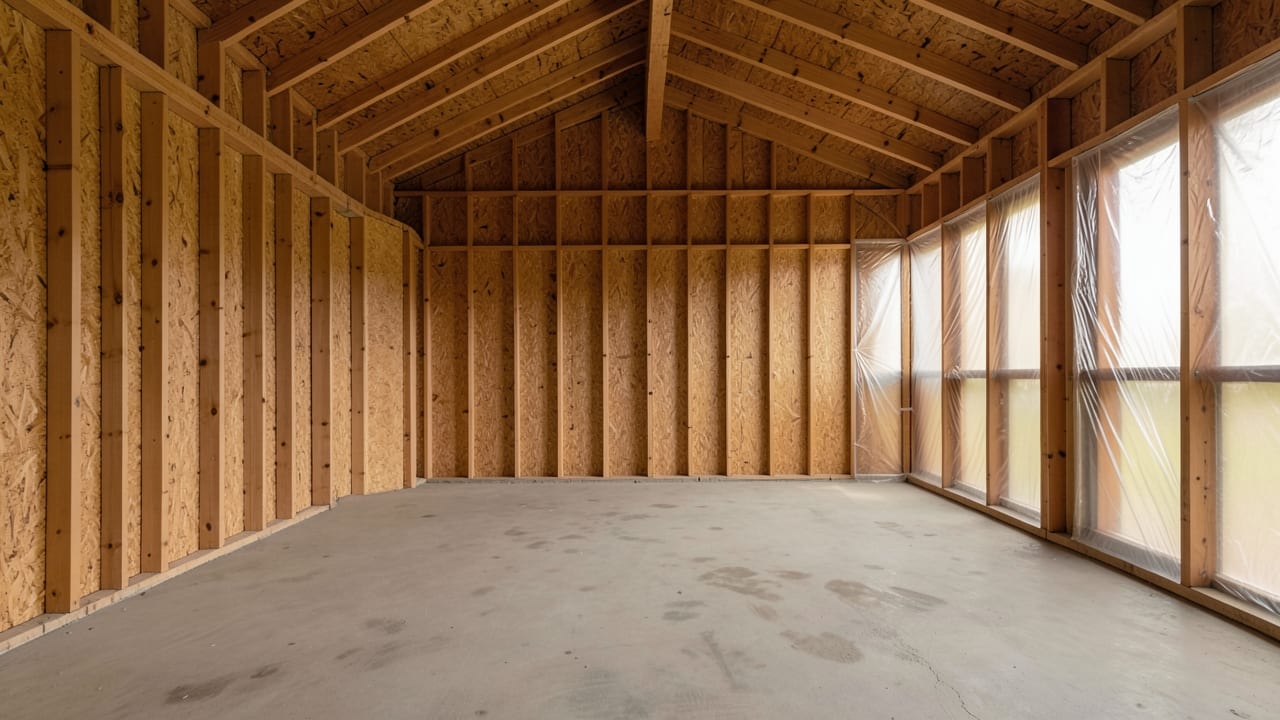
Mold Removal & Remediation in Haverford, PA
Mold removal and remediation in Haverford, PA — containment, HEPA filtration, and removal of affected material following industry (IICRC S520) protocol.
Learn More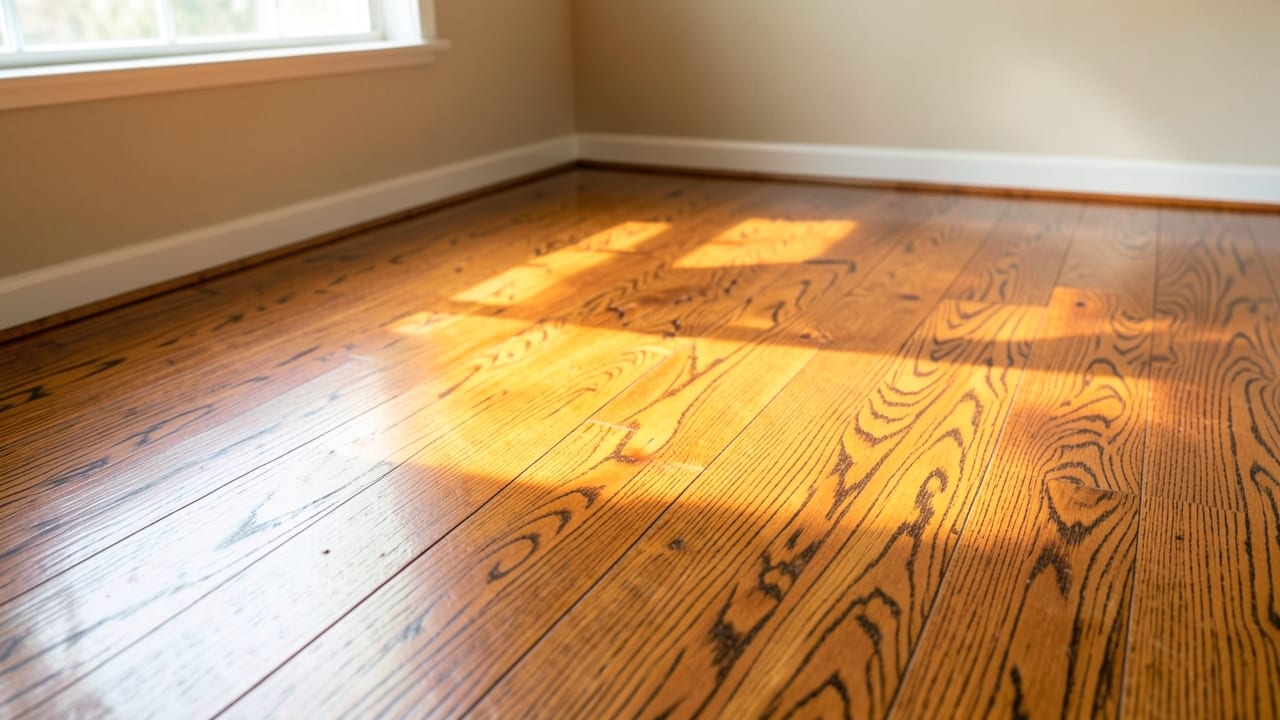
Water Damage Restoration in Haverford, PA
Water damage restoration in Haverford, PA — extraction and structural drying to stop mold growth before it starts, following a leak, storm, or flood.
Learn MoreCommon Questions About Mold Remediation in Haverford
Everything you need to know about mold remediation services in Haverford
How much does Condo Mold Remediation typically cost in Haverford, PA?
Why does Haverford, PA's humidity make mold a bigger risk than in drier regions?
How long does a typical mold remediation job take?
Is it safe to stay in the home during mold remediation?
Can small mold problems be handled without hiring anyone?
What's the actual difference between mold removal and mold remediation?
Need Mold Remediation in Haverford?
Connect with local providers in Haverford for a detailed quote.
⏰ We answer your call • Serving all of Haverford and surrounding areas