Hospital Mold Removal
Professional assessment and removal of mold in hospitals to ensure a safe, healthy environment.
In Haverford, PA, hospital-grade mold removal addresses severe or recurring mold growth in homes, using strict containment, industrial-grade equipment, and moisture-source fixes to prevent regrowth.
This service is designed for cases where mold covers large areas, returns after cleaning, or is hidden behind walls or in HVAC systems—situations where standard cleaning methods fall short.
We also handle Pre-Sale Mold Clearance and Post-Remediation Sealing for Haverford properties.
When mold removal becomes necessary
Mold in a home can often be cleaned with household products, but certain signs indicate a deeper issue requiring professional hospital-grade removal. These include mold covering more than a small, isolated patch—typically over 25 contiguous square feet—or growth that keeps returning after cleaning.
A musty smell with no visible mold often means hidden growth behind walls, under flooring, or inside ductwork, where spores spread through the entire home if left untreated.
Another red flag is mold appearing in areas with persistent dampness, such as windowless bathrooms, basements, or closets with poor airflow. If the smell worsens when the HVAC system turns on, spores may be circulating through the ductwork, requiring specialized containment and filtration to address safely.
Signs You Need Hospital-Grade Mold Removal
- Mold covers more than 25 contiguous square feet in one area.
- Growth returns in the same spot after cleaning, suggesting an unresolved moisture source.
- A musty smell exists with no visible mold, indicating hidden growth.
- The smell intensifies when the HVAC system is running, suggesting ductwork contamination.
- Mold appears in persistently damp areas like basements, windowless rooms, or behind walls.
What affects pricing and timing
Pricing for hospital-grade mold removal in Haverford depends on the severity of the contamination, the size of the affected area, and the complexity of the job. Larger infestations or those requiring extensive containment and structural drying take longer and cost more.
Hidden mold behind walls or in HVAC systems also increases labor time, as walls may need to be opened and ducts cleaned or replaced.
The need for third-party clearance testing—required to confirm spore levels return to normal after remediation—adds to the cost but ensures the work meets industry standards.
Additionally, fixing the moisture source (e.g., repairing leaks, improving ventilation) is often part of the process to prevent future growth, which may extend the timeline but reduces the risk of recurrence.
| Factor | Impact on Pricing/Timing |
|---|---|
| Size of affected area | Larger areas require more materials, labor, and containment time. |
| Location of mold (visible vs. hidden) | Hidden mold behind walls or in ducts increases labor and may require structural work. |
| Moisture source identification and repair | Fixing leaks or improving airflow adds time but prevents future growth. |
| Containment and clearance testing | Strict protocols and third-party testing add to the cost but ensure thorough remediation. |
| HVAC system involvement | Duct cleaning or replacement significantly extends the project timeline. |
Why containment and testing matter
During hospital-grade mold removal, containment is critical to prevent spores from spreading to unaffected areas of the home. Plastic sheeting and negative-air machines seal the work zone, while HEPA-filtered air scrubbers run continuously to capture airborne spores.
Without proper containment, a small job can quickly become a larger, more costly problem as spores drift into hallways, bedrooms, or other rooms.
Clearance testing after remediation is equally important. An independent lab collects air or surface samples to confirm spore levels return to normal ranges before containment is removed. Skipping this step leaves uncertainty about whether the mold has been fully addressed, potentially leading to regrowth or health concerns.
A tear in plastic sheeting, an open door, or improper negative-air pressure lets spores escape containment, turning a contained job into a larger infestation. Always ensure the crew follows strict containment protocols to protect unaffected areas of your home.
How hospital-grade mold removal works
This process follows strict industry protocols to safely eliminate mold and prevent regrowth.
- 1Containment Setup
Plastic sheeting and negative-air machines seal the affected area to prevent spores from spreading during removal. This step is critical in homes with HVAC systems, as spores can otherwise circulate through ducts.
- 2Material Removal and Cleaning
Porous materials like drywall, insulation, or carpet padding—where mold grows deep into the material—are cut out and disposed of in sealed bags. Non-porous surfaces like tile or framing are scrubbed with antimicrobial treatments to kill remaining spores.
- 3HEPA Filtration and Structural Drying
HEPA air scrubbers run continuously to capture airborne spores, while industrial dehumidifiers and air movers dry framing and subfloors to prevent future growth. Moisture levels are monitored until they return to normal ranges.
- 4Moisture Source Repair
The underlying cause—such as leaks, condensation, or poor airflow—is identified and fixed to stop mold from returning. This may include improving ventilation, sealing gaps, or redirecting water sources.
- 5Clearance Testing
An independent lab tests air or surface samples to confirm spore levels are back to normal before containment is removed. This step ensures the remediation was effective and the home is safe to reoccupy.
Frequently asked questions
How do I know if my mold problem is severe enough to need hospital-grade removal?
If mold covers more than 25 square feet, keeps returning after cleaning, or you notice a musty smell with no visible growth, it’s likely severe. Hidden mold behind walls or in HVAC systems also requires professional intervention to prevent spread.
Will the remediation process disrupt my daily life?
The work area will be sealed off during removal, but adjacent rooms may experience reduced airflow from containment equipment. Plan to avoid the affected area until clearance testing confirms it’s safe to re-enter.
Can I prevent mold from coming back after removal?
Fixing the moisture source—such as repairing leaks or improving ventilation—is the best way to prevent regrowth. Monitoring humidity levels in the affected area and using dehumidifiers in damp spaces can also help.
Do I need to be home during the mold removal process?
You typically don’t need to be present, but the crew may ask for access to the affected area. Ensure pets and children stay out of the home until containment is removed and clearance testing is complete.
See West Conshohocken, PA for more, or browse what we cover for Haverford properties on a single page for our complete lineup.
Ready to get started?
Talk to a local mold remediation pro in Haverford — get a written quote.
Other Mold Remediation Services in Haverford
Pre-Sale Mold Clearance in Haverford, PA
Pre-sale mold clearance involves inspection and testing to confirm a property is mold-free before purchase.
Learn More
Post-Remediation Sealing in Haverford, PA
Applying protective sealants to surfaces after mold remediation to prevent future growth.
Learn More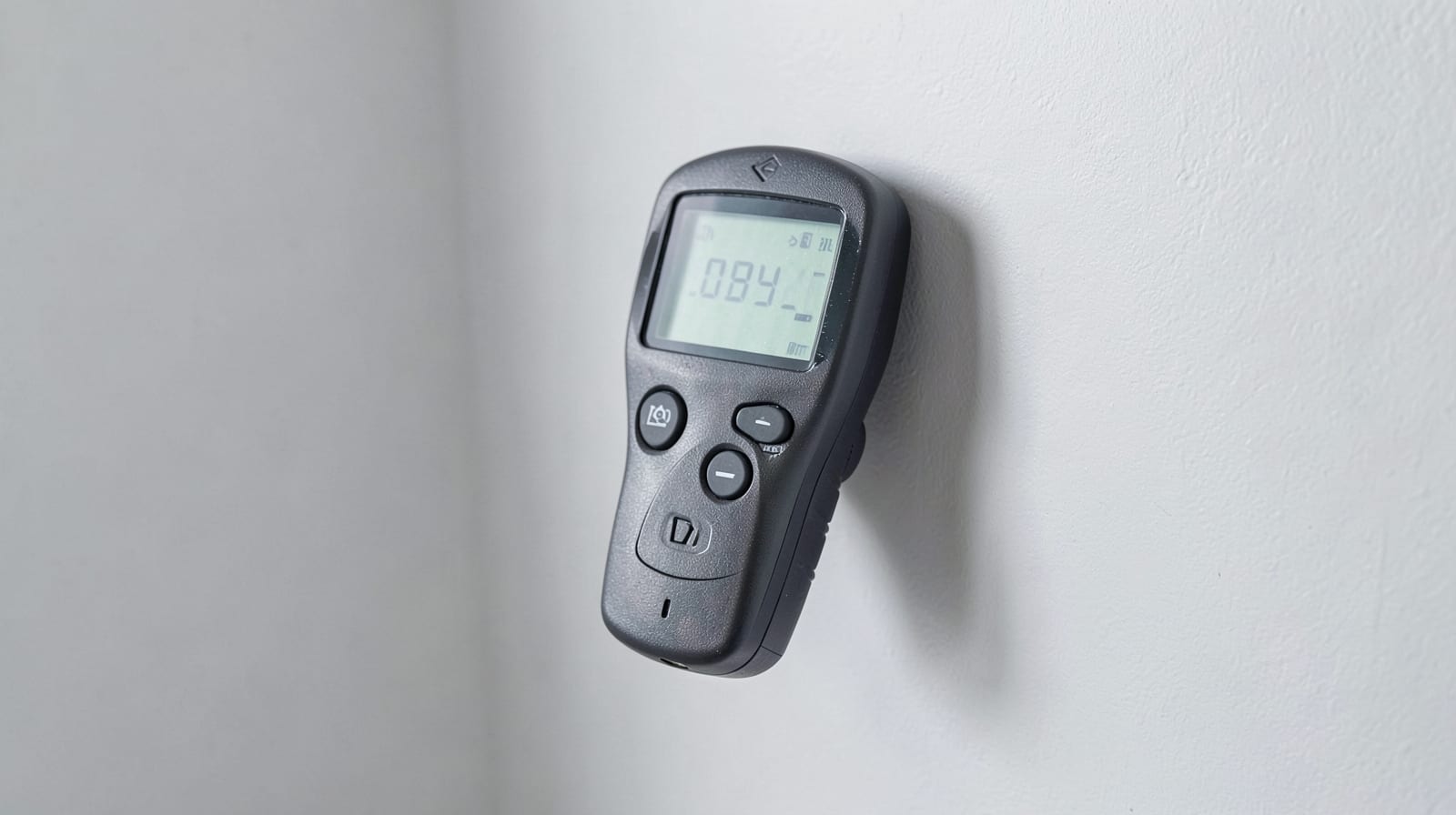
Mold Inspection in Haverford, PA
Mold inspection in Haverford, PA — a visual and moisture-meter assessment that finds the source of growth, not just the visible spot on the wall.
Learn More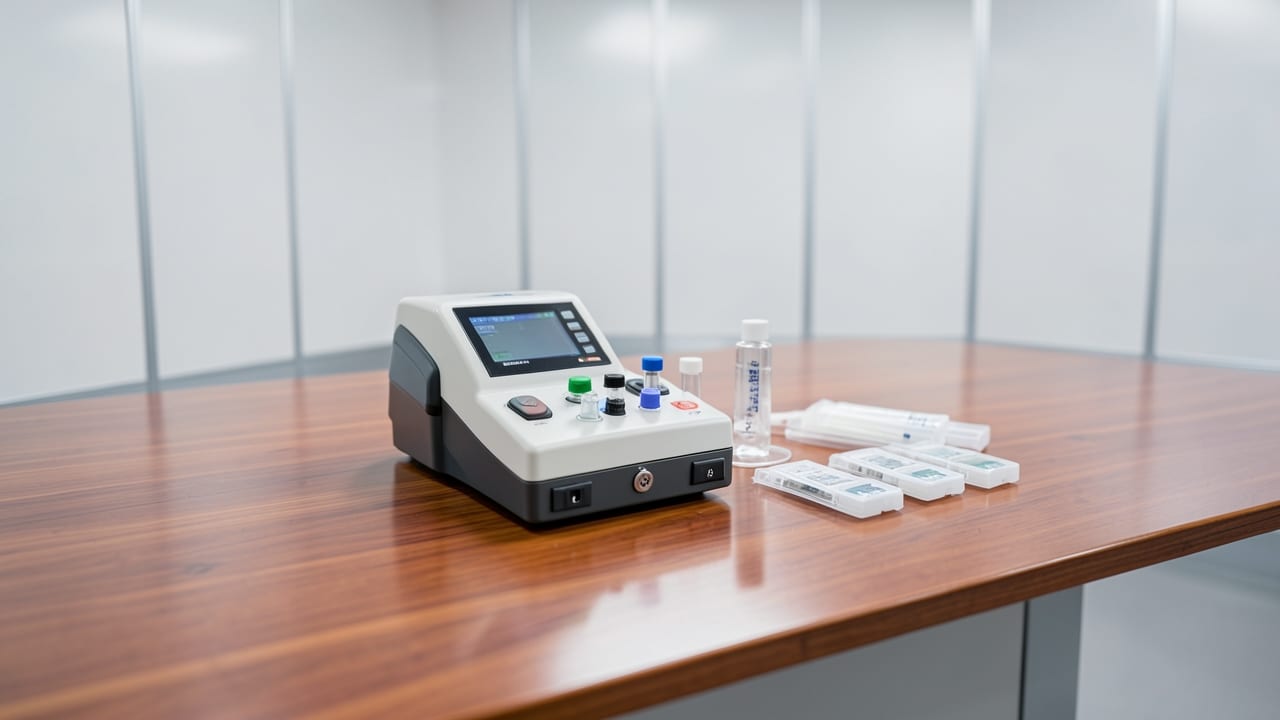
Mold Testing & Air Quality Testing in Haverford, PA
Mold and indoor air quality testing in Haverford, PA — lab-analyzed air and surface samples confirm what's actually growing and whether it's airborne.
Learn More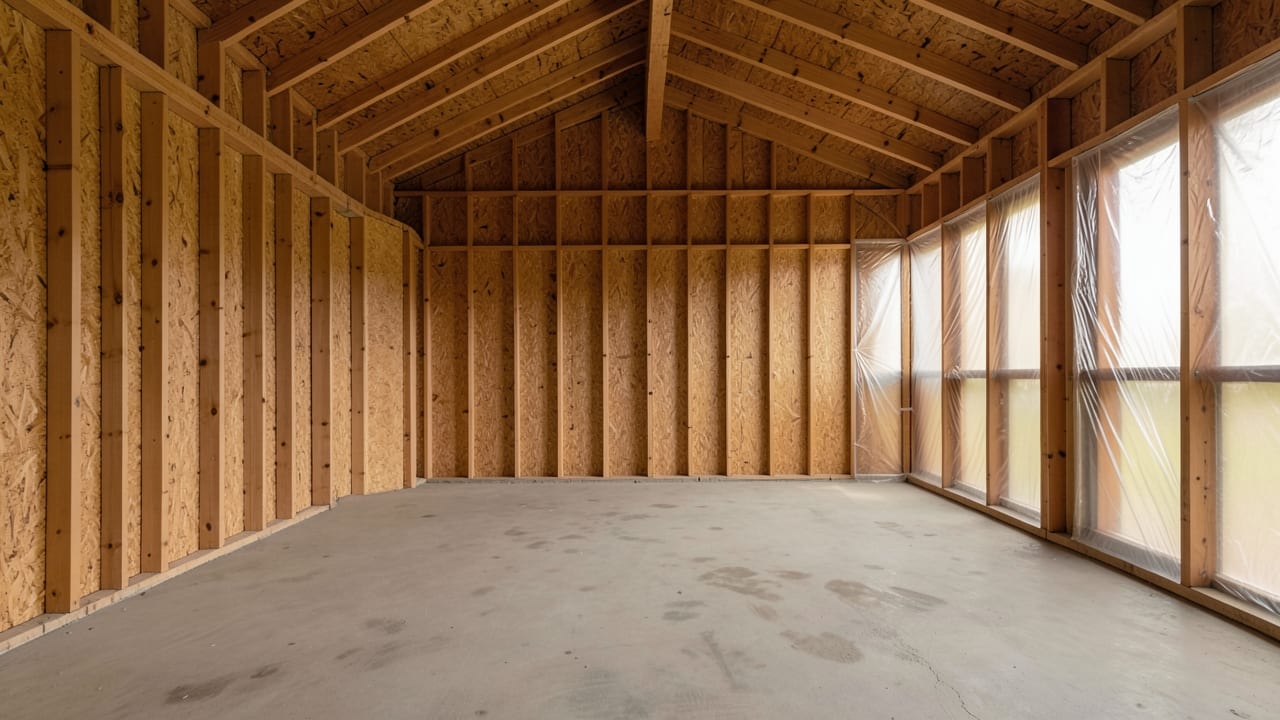
Mold Removal & Remediation in Haverford, PA
Mold removal and remediation in Haverford, PA — containment, HEPA filtration, and removal of affected material following industry (IICRC S520) protocol.
Learn More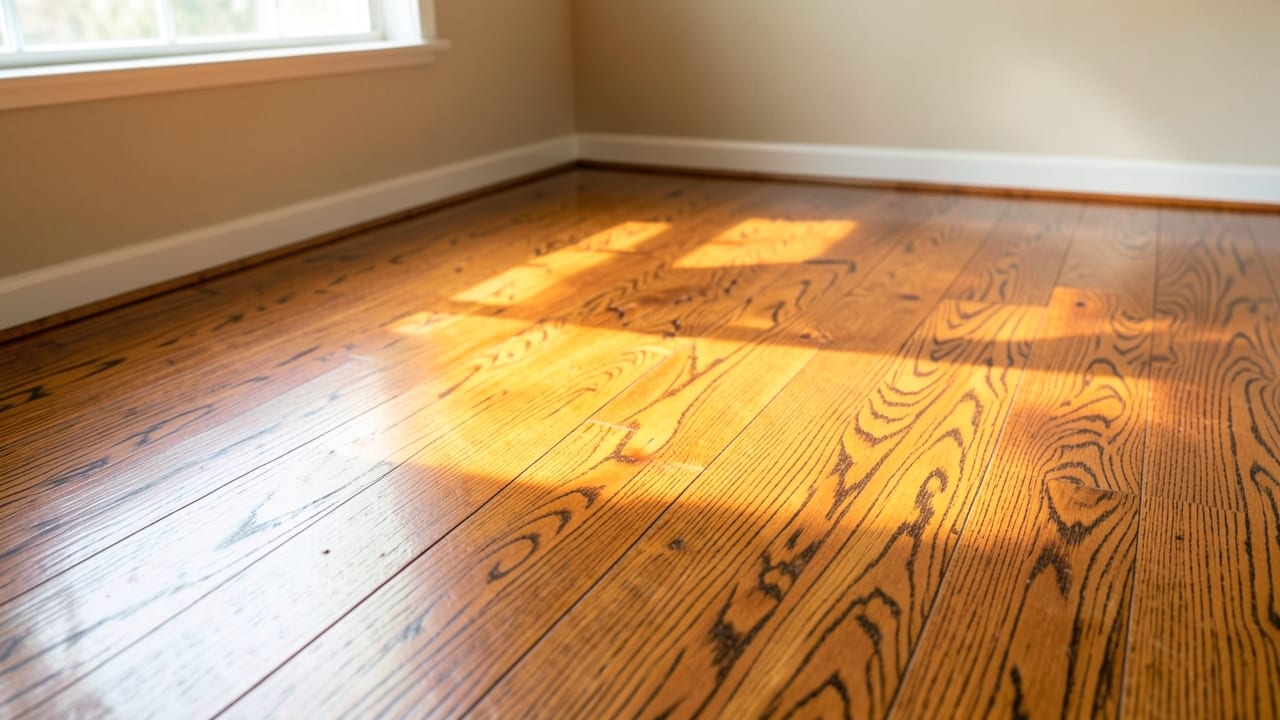
Water Damage Restoration in Haverford, PA
Water damage restoration in Haverford, PA — extraction and structural drying to stop mold growth before it starts, following a leak, storm, or flood.
Learn MoreCommon Questions About Mold Remediation in Haverford
Everything you need to know about mold remediation services in Haverford
How much does Hospital Mold Removal typically cost in Haverford, PA?
Why does Haverford, PA's humidity make mold a bigger risk than in drier regions?
Does homeowners insurance typically cover mold remediation?
Is black mold actually more dangerous than other mold types?
How long does a typical mold remediation job take?
Is it safe to stay in the home during mold remediation?
Need Mold Remediation in Haverford?
Connect with local providers in Haverford for a detailed quote.
⏰ We answer your call • Serving all of Haverford and surrounding areas