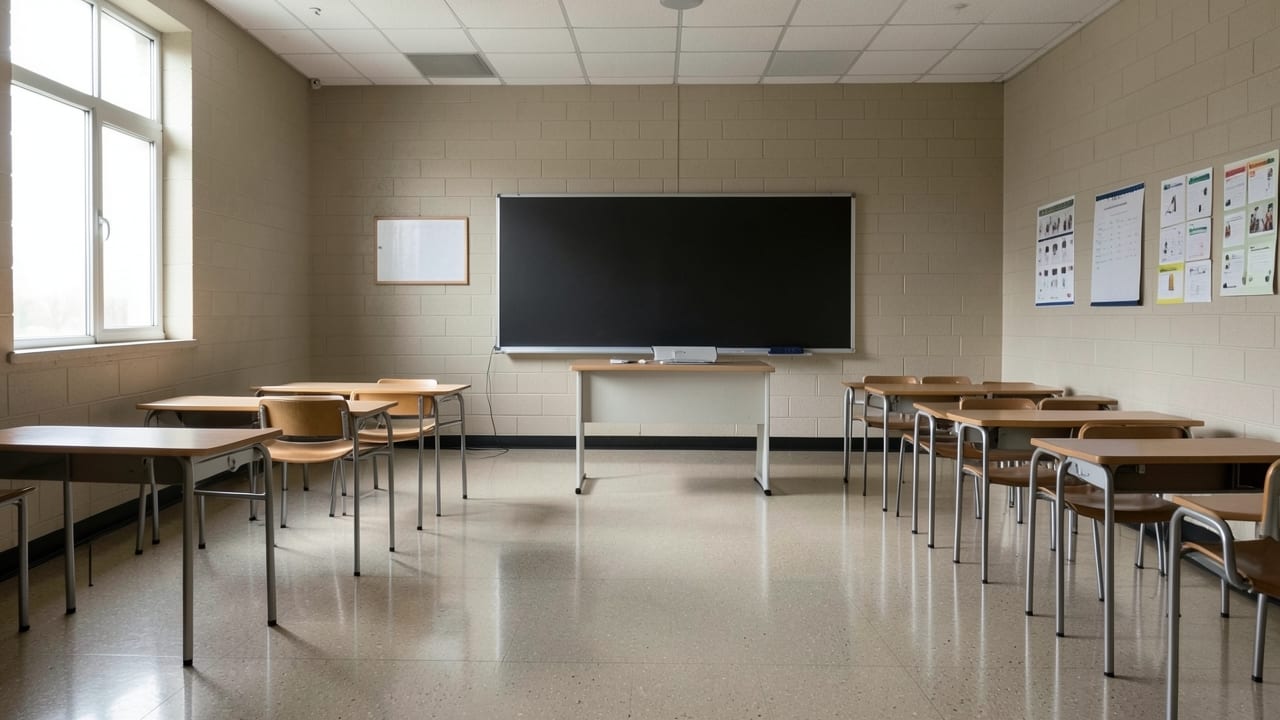
School Mold Remediation
Professional mold removal and remediation in schools to ensure a safe, healthy environment.
When mold spreads in a Haverford-area home, proper remediation is critical to prevent health risks and structural damage. Unlike surface cleaning, professional remediation involves containment, material removal, and moisture control to stop regrowth. Understanding the process—and when it’s needed—helps homeowners act before hidden growth worsens.
When to call for remediation
Mold covering more than a small patch (about 25 square feet) or returning after cleaning usually signals the need for professional help. Musty odors with no visible mold, or growth in hard-to-reach areas like ductwork or behind walls, also require expert intervention.
We also handle Crawl Space & Basement Mold Remediation and Attic Mold Remediation for Haverford properties.
Ignoring these signs can lead to deeper contamination and higher costs later.
Containment breaches, improper equipment, or skipping moisture fixes are common mistakes that turn a small job into a larger, more expensive problem. A professional ensures every step—from sealing the work area to testing for spores—is done correctly to minimize recurrence.
Signs You Need Remediation (Not Just Cleaning)
- Mold covers more than 25 square feet in a single area
- Growth returns within weeks after cleaning the same spot
- Musty smell persists with no visible mold
- Mold appears in multiple rooms or hidden areas (ducts, walls, basements)
- You notice health symptoms (sneezing, skin irritation) after exposure
What affects cost and timeline
Pricing for mold remediation depends on the size of the affected area, the materials involved, and whether hidden growth is discovered during the job. Containment requirements, equipment needs (like HEPA filtration), and post-remediation testing all add to the total.
Unlike residential work, commercial or shared spaces (like condos) often require stricter documentation and coordination, which can extend timelines.
Most projects in Haverford are priced per square foot, with complex jobs running $15–$35 per square foot. A site visit is almost always required first, as hidden moisture or structural damage can change the scope—and the cost—mid-job.
After remediation: what homeowners should do
Once remediation is complete, the biggest risk of regrowth comes from unresolved moisture issues. Homeowners should monitor humidity in the treated area for at least a year, using a hygrometer to keep levels below 50%.
Adding airflow with a small fan or dehumidifier in persistently damp rooms (like basements or closets) helps prevent stagnant conditions that encourage mold.
Outdoor factors—like poor grading or downspouts dumping near the foundation—can also feed moisture back into the home. Fixing these issues before or after remediation reduces the chance of the problem returning.
Check for and repair leaks, improve ventilation in damp areas, and redirect water away from the foundation. A post-remediation moisture test (not a spore test) can confirm whether the underlying cause was addressed.
How mold remediation works
- 1Containment Setup
Plastic sheeting and negative-air machines seal the work area to trap spores during removal, preventing them from spreading to other parts of the home.
- 2Material Removal or Cleaning
Porous materials (drywall, insulation) are cut out and bagged, while non-porous surfaces (tile, framing) are scrubbed and treated to kill remaining spores.
- 3HEPA Filtration and Drying
HEPA air scrubbers run continuously to capture airborne spores, and industrial dehumidifiers dry framing and subfloors to prevent hidden regrowth.
- 4Clearance Testing
An independent lab tests air or surfaces for spores after remediation to confirm levels are back to normal before containment is removed.
- 5Moisture Source Fix
The root cause (leaks, condensation, grading) must be addressed to reduce the risk of the mold returning in the same spot.
Frequently asked questions
Can I clean small mold patches myself, or should I call a professional?
Small patches (under 25 square feet) can often be cleaned with detergent and water, but if the mold keeps coming back or spreads, professional remediation is safer. Hidden growth or musty odors without visible mold are clear signs to call an expert.
How long does the remediation process usually take?
Timelines vary by size and complexity, but containment, removal, and drying can take 2–5 days for a typical Haverford home. Clearance testing adds another 1–3 days. The work may also require scheduling around your daily routine.
Will my home need to be closed off during remediation?
The affected area will be sealed off, but other parts of the home can remain accessible. High-efficiency air scrubbers help maintain air quality in nearby spaces, though some disruption is normal during active work.
Do I need to worry about mold in my HVAC system after remediation?
If mold was present in ducts, professional duct cleaning is often recommended after remediation to ensure spores aren’t redistributed. A post-remediation inspection can check for hidden growth in the system.
See Darby, PA for more, or take a look at what we cover for Haverford properties at a glance for our complete lineup.
Ready to get started?
Talk to a local mold remediation pro in Haverford — get a written quote.
Other Mold Remediation Services in Haverford
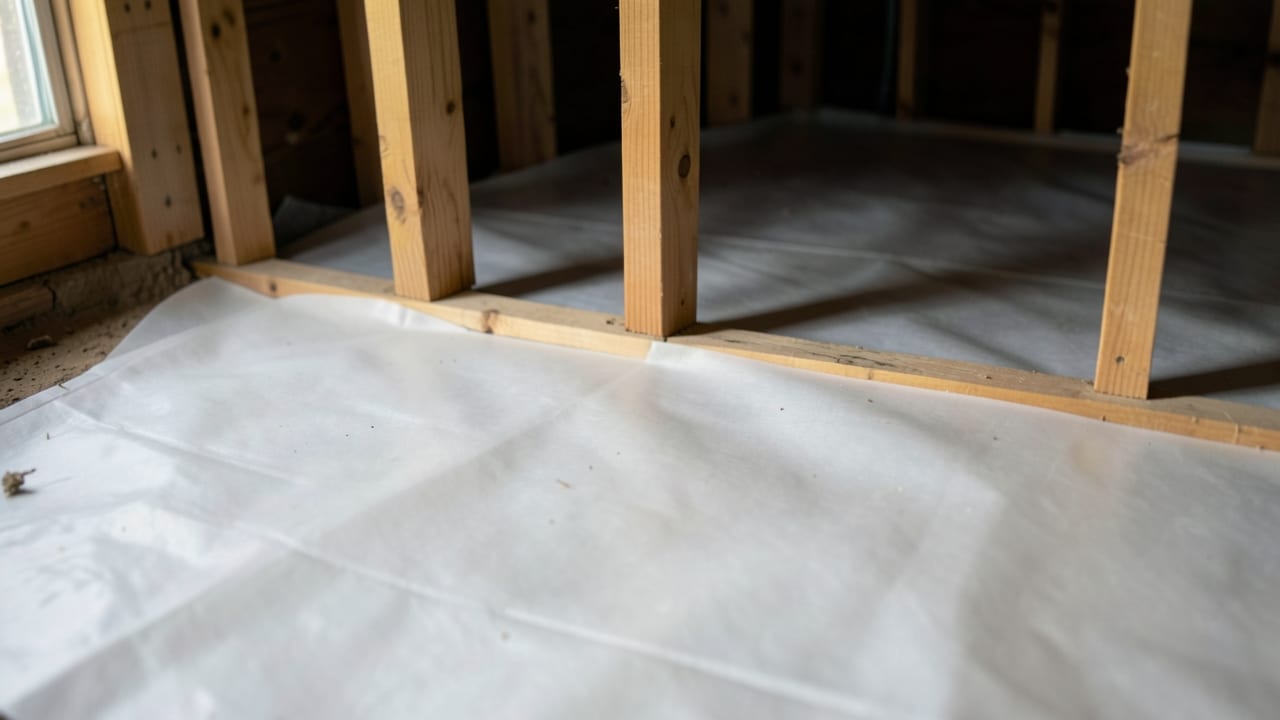
Crawl Space & Basement Mold Remediation in Haverford, PA
Crawl space and basement mold remediation in Haverford, PA addresses the two areas of a property most prone to trapped, unnoticed moisture.
Learn More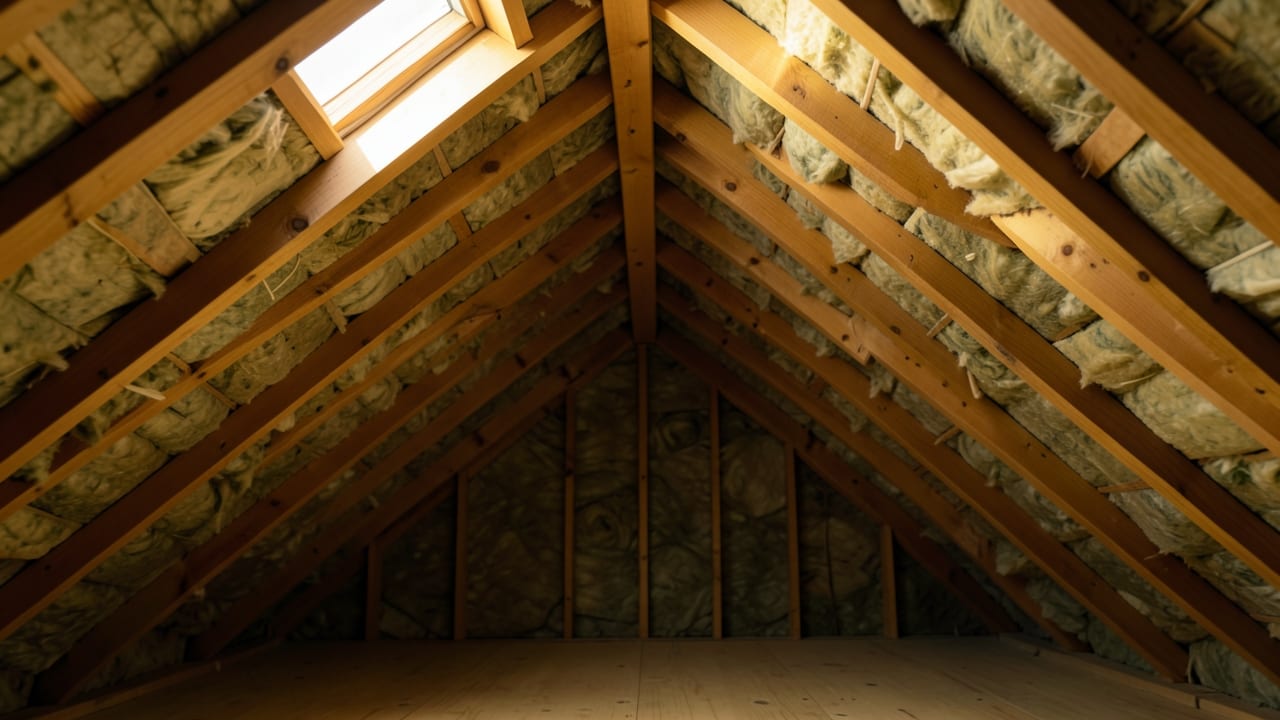
Attic Mold Remediation in Haverford, PA
Attic mold remediation in Haverford, PA addresses roof-deck growth typically caused by poor ventilation or a hidden roof leak.
Learn More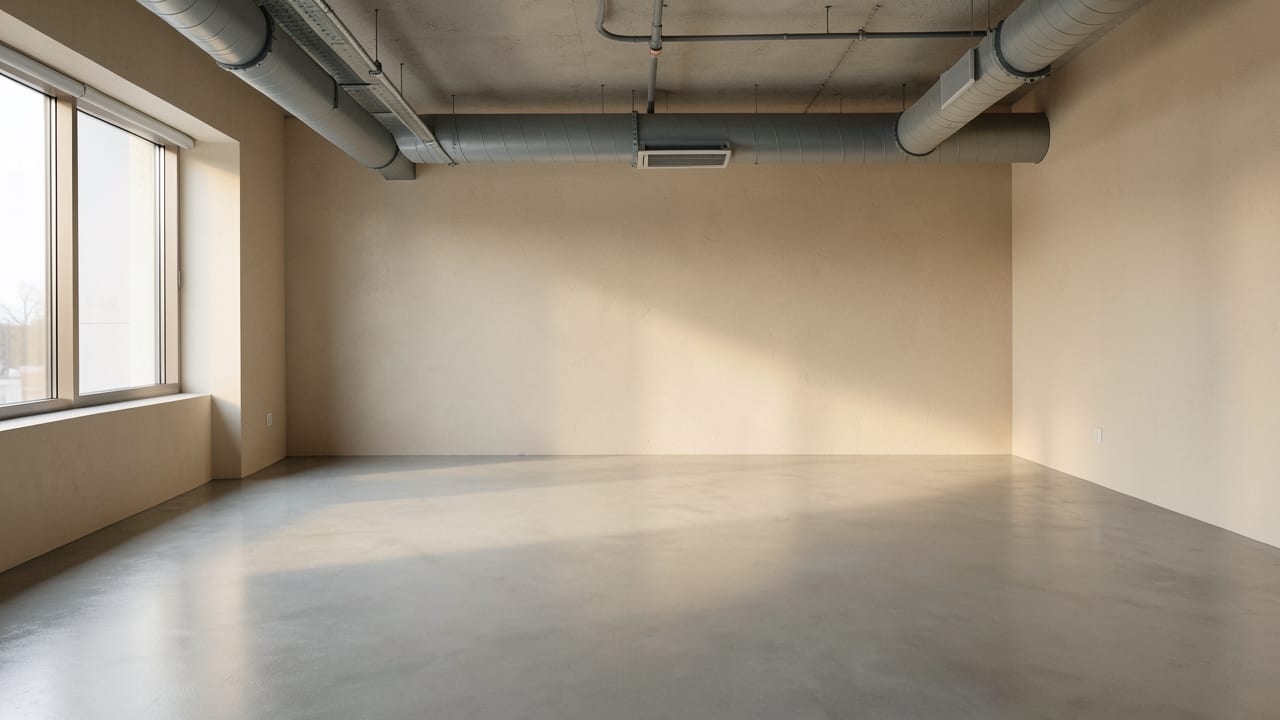
Commercial Mold Remediation in Haverford, PA
Commercial mold inspection and remediation in Haverford, PA for offices, retail space, and multi-unit properties, scheduled around business operations.
Learn More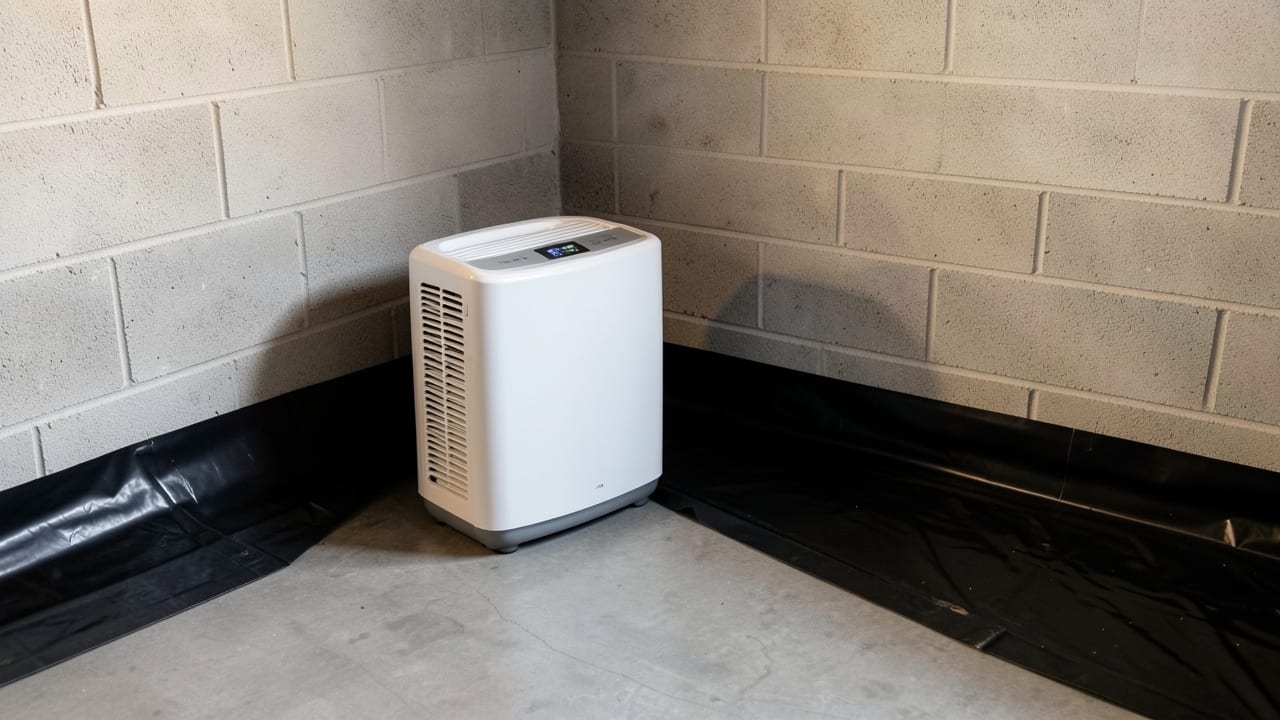
Mold Prevention & Moisture Control in Haverford, PA
Mold prevention and moisture control in Haverford, PA — addressing ventilation, humidity, and drainage before growth starts, not after.
Learn More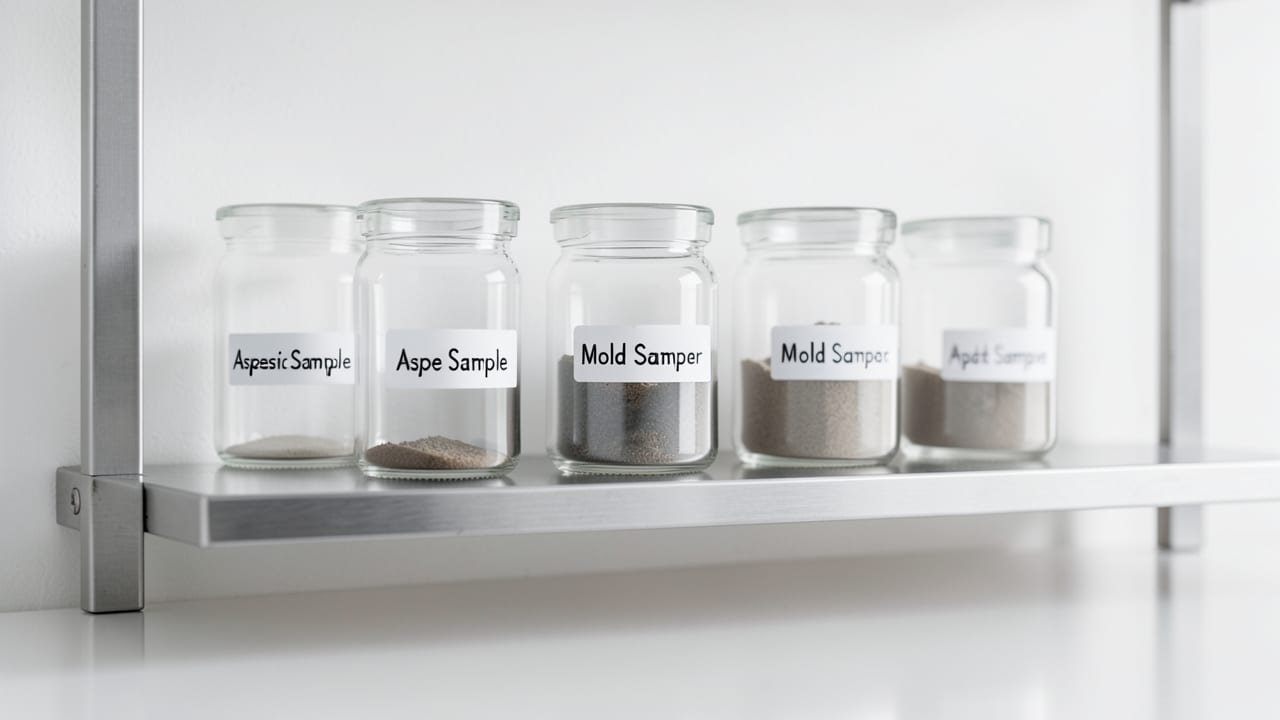
Mold & Asbestos Testing in Haverford, PA
Combined mold and asbestos testing in Haverford, PA — one inspection visit, lab-verified results for both.
Learn More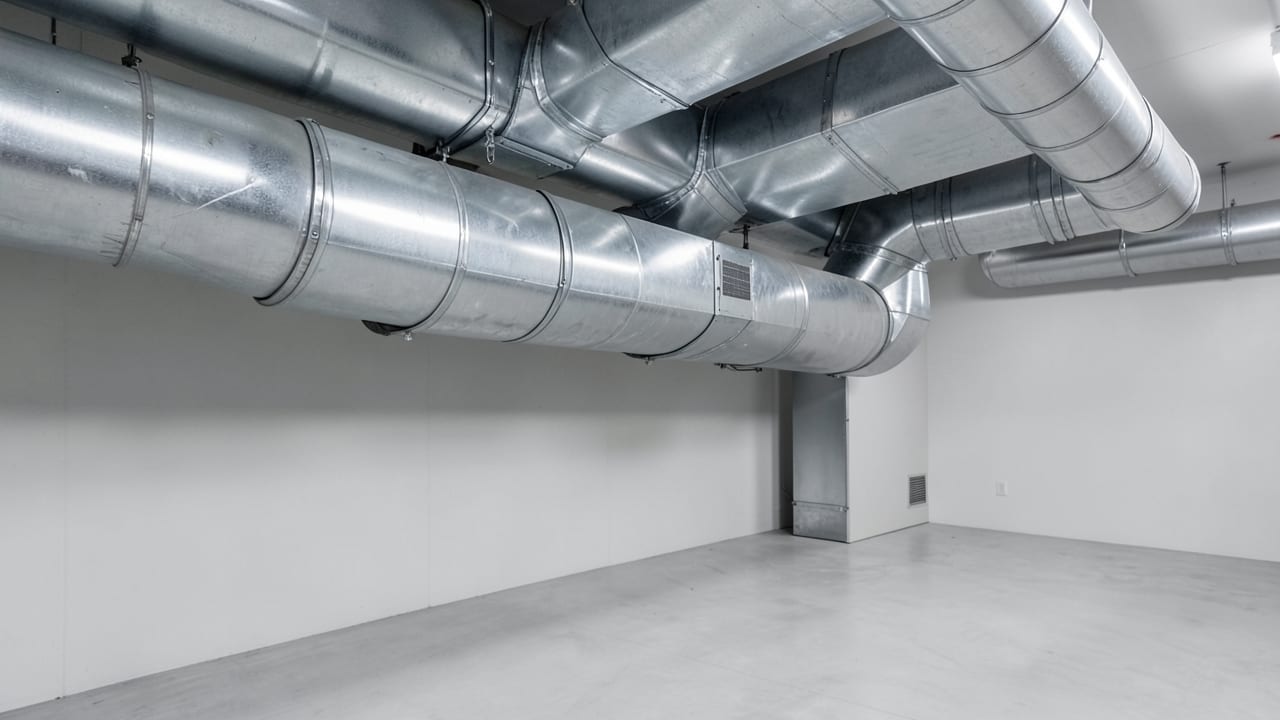
HVAC Mold Remediation in Haverford, PA
HVAC and ductwork mold remediation in Haverford, PA — mold growing inside the air handler or duct system, spreading through every vent.
Learn MoreCommon Questions About Mold Remediation in Haverford
Everything you need to know about mold remediation services in Haverford
How much does School Mold Remediation typically cost in Haverford, PA?
Why does Haverford, PA's humidity make mold a bigger risk than in drier regions?
How does mold remediation actually prevent the problem from coming back?
Can mold growing inside HVAC ductwork spread to the rest of a home?
Does mold mean the same thing as mildew?
Does homeowners insurance typically cover mold remediation?
Need Mold Remediation in Haverford?
Connect with local providers in Haverford for a detailed quote.
⏰ We answer your call • Serving all of Haverford and surrounding areas