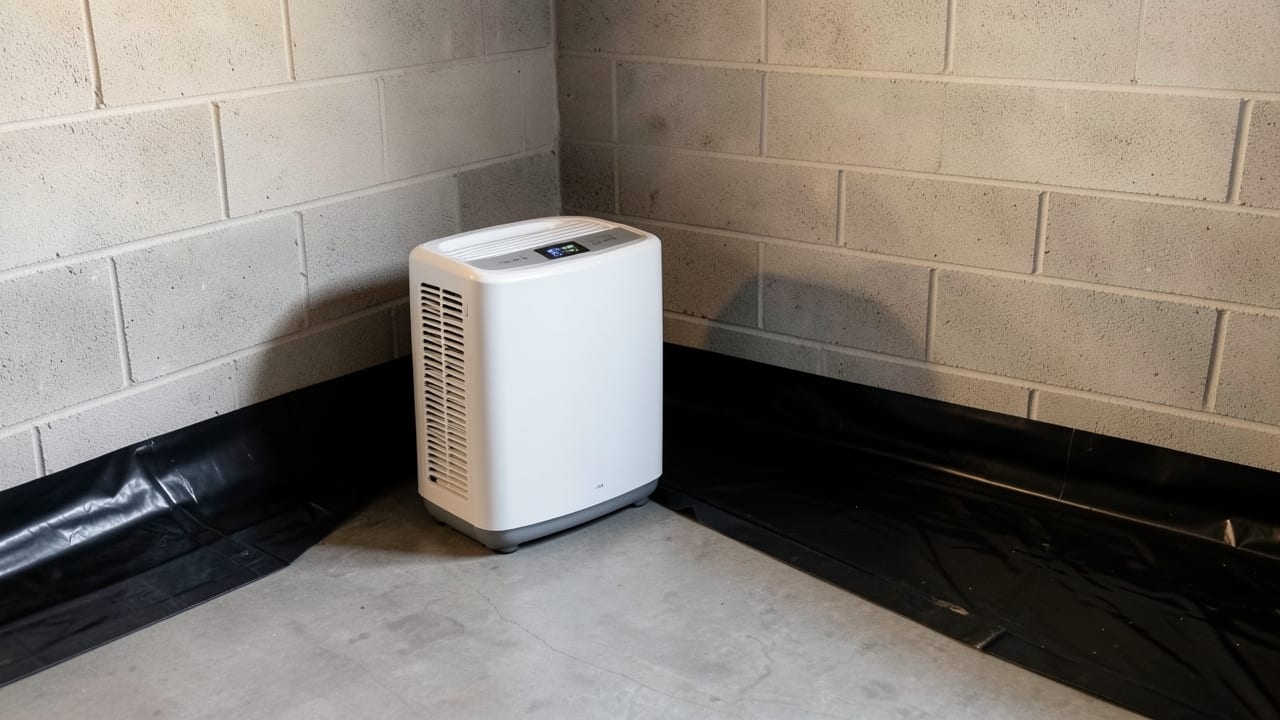
Mold Prevention & Moisture Control
Mold prevention and moisture control in Haverford, PA — addressing ventilation, humidity, and drainage before growth starts, not after.
Protect your Haverford home from mold before it starts with professional moisture control and prevention services. We address excess humidity, poor ventilation, and water intrusion—common in older homes—to stop mold growth at its source, not after it appears.
Why Mold Prevention Beats Remediation
Mold thrives in Haverford’s humid summers and damp basements, often silently spreading behind walls or under flooring. Prevention targets the root causes—high humidity, poor airflow, and moisture sources—before spores take hold.
We also handle Hallway Mold Remediation and HOA Mold Remediation for Haverford properties.
A basement or crawl space dehumidifier sized to your home’s square footage keeps indoor humidity below 60%, the threshold where mold can grow on dry surfaces. This proactive approach saves costly remediation and protects your property’s structural integrity.
Key Moisture Control Strategies
Effective prevention combines indoor and outdoor solutions. Exhaust fans in bathrooms and kitchens must vent outside, not into attics, to expel moist air. Proper attic ventilation prevents condensation on cool surfaces, a frequent issue in Haverford’s older housing stock.
Outdoors, grading and gutters play a critical role. Sloping soil away from your foundation and directing downspouts at least 5–10 feet from the house reduces water seepage into basements and crawl spaces. These measures work together to keep moisture out before it becomes a problem.
Signs Your Home Needs Moisture Control
- Visible condensation on windows or walls
- Musty odors in basements, attics, or crawl spaces
- Peeling paint or wallpaper in humid areas
- Water stains on ceilings or walls after rain
- High indoor humidity (above 60%) even with AC running
Custom Prevention Assessments
Our prevention assessment identifies moisture risks unique to your Haverford property. We evaluate humidity levels, ventilation, grading, and drainage, then recommend targeted solutions like dehumidifiers, venting upgrades, or exterior water management.
Assessments are available as standalone visits or bundled with a full mold inspection. Pricing varies based on your home’s needs—call for a quote tailored to your property.
| Service Option | What’s Included | Best For |
|---|---|---|
| Standalone Prevention Assessment | Humidity testing, ventilation check, exterior grading review | Homeowners proactively preventing mold |
| Bundled Assessment + Inspection | Full prevention assessment + mold inspection | Properties with existing concerns or high-risk areas |
| Custom Moisture Control Plan | Assessment + recommended improvements (e.g., dehumidifier, venting, grading) | Homes needing comprehensive solutions |
How Mold Prevention & Moisture Control Works
We take a whole-home approach to stop mold before it starts.
- 1Assess Moisture Sources
We inspect indoor humidity, ventilation, and outdoor grading/drainage to identify how moisture enters or accumulates in your home.
- 2Install Ventilation Solutions
Upgrade bathroom/kitchen exhaust fans to vent outside, and ensure attic intake/exhaust systems move moist air out efficiently.
- 3Deploy Dehumidifiers
We install properly sized dehumidifiers in basements or crawl spaces to maintain humidity below 60%, preventing mold growth.
- 4Improve Exterior Drainage
Adjust grading to slope away from the foundation and extend downspouts to discharge water at least 5–10 feet from the house.
Frequently Asked Questions
How do I know if my Haverford home needs moisture control?
Look for musty odors, condensation on windows, peeling paint, or water stains. If your basement feels damp or humidity stays above 60%, it’s time for an assessment.
Will a dehumidifier alone solve my mold risk?
A dehumidifier helps, but it’s most effective when combined with proper ventilation, grading, and drainage. We’ll recommend a full solution based on your home’s needs.
How much does a prevention assessment cost?
Pricing depends on your home’s size and the scope of work needed. Call for a quote—we offer standalone assessments or bundled options with inspections.
Can I prevent mold without professional help?
DIY steps like sealing gaps or using portable dehumidifiers can help, but a professional assessment ensures you address all moisture sources, especially in Haverford’s older homes.
See Lansdowne, PA for more, or see our complete Haverford service list by category for our complete lineup.
Ready to get started?
Talk to a local mold remediation pro in Haverford — get a written quote.
Other Mold Remediation Services in Haverford
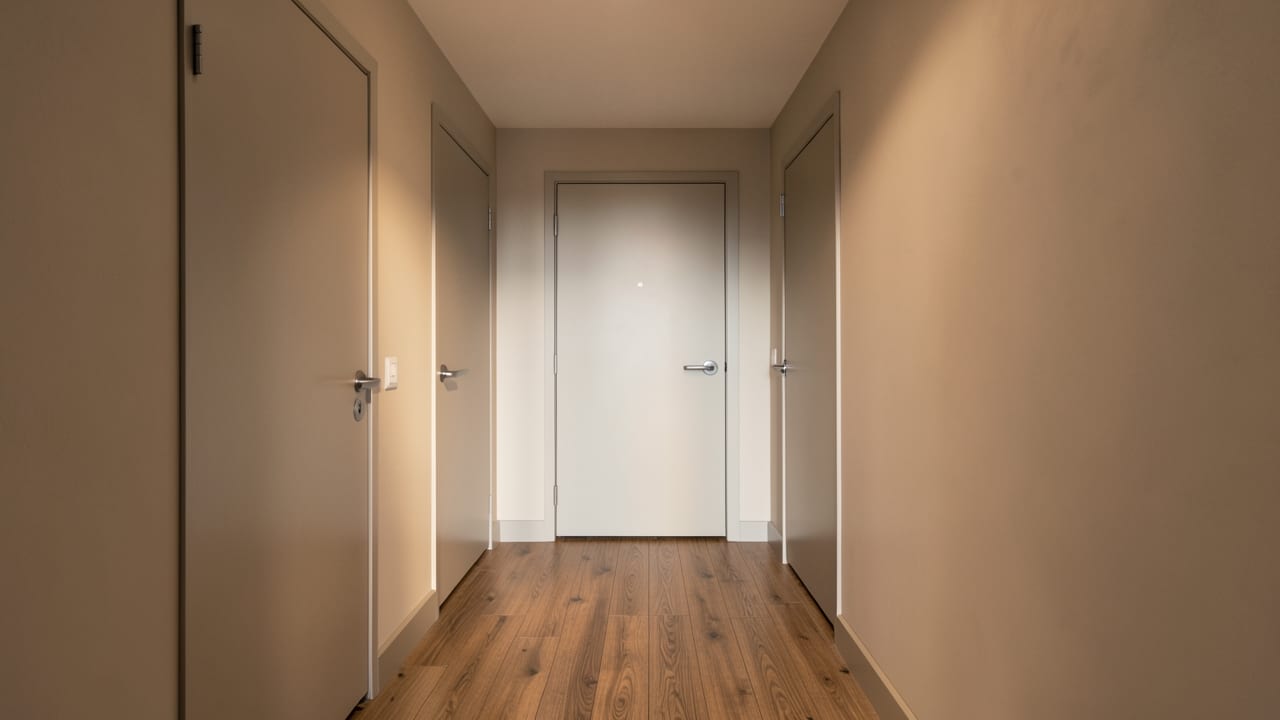
Hallway Mold Remediation in Haverford, PA
Professional removal and treatment of mold growth in residential hallways.
Learn More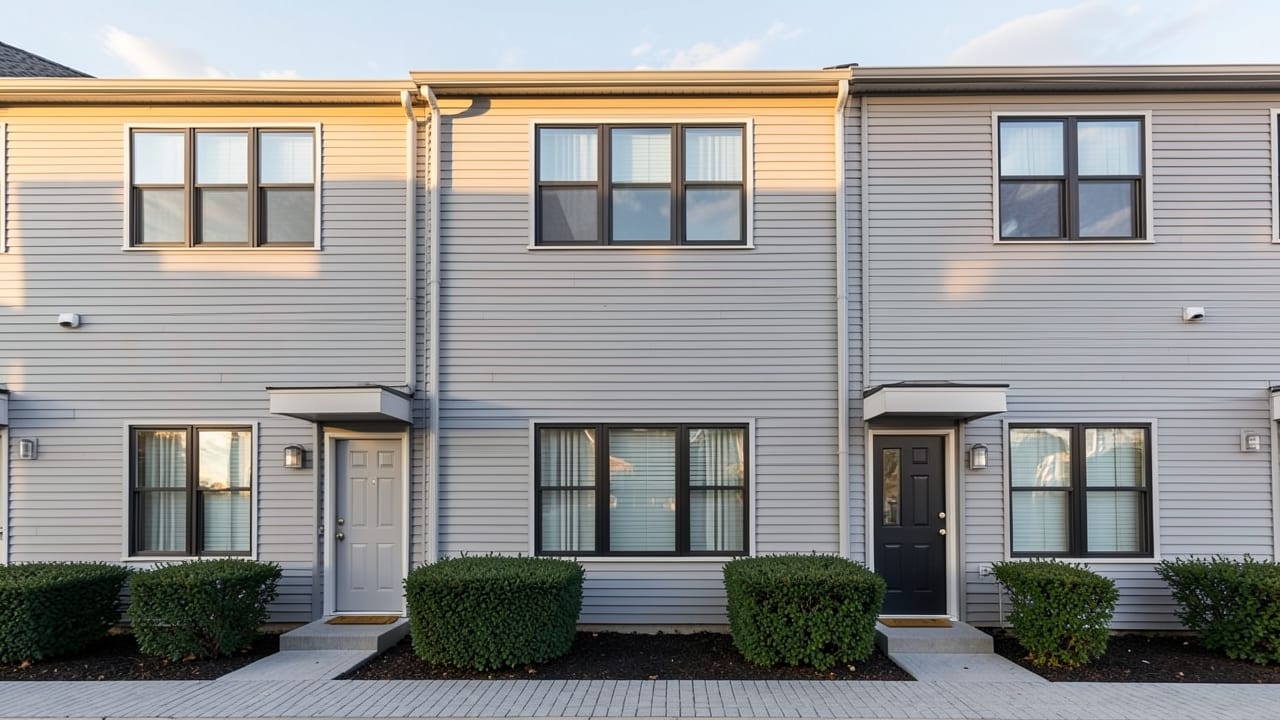
HOA Mold Remediation in Haverford, PA
Professional mold removal and remediation for HOA properties to restore safe, healthy living conditions.
Learn More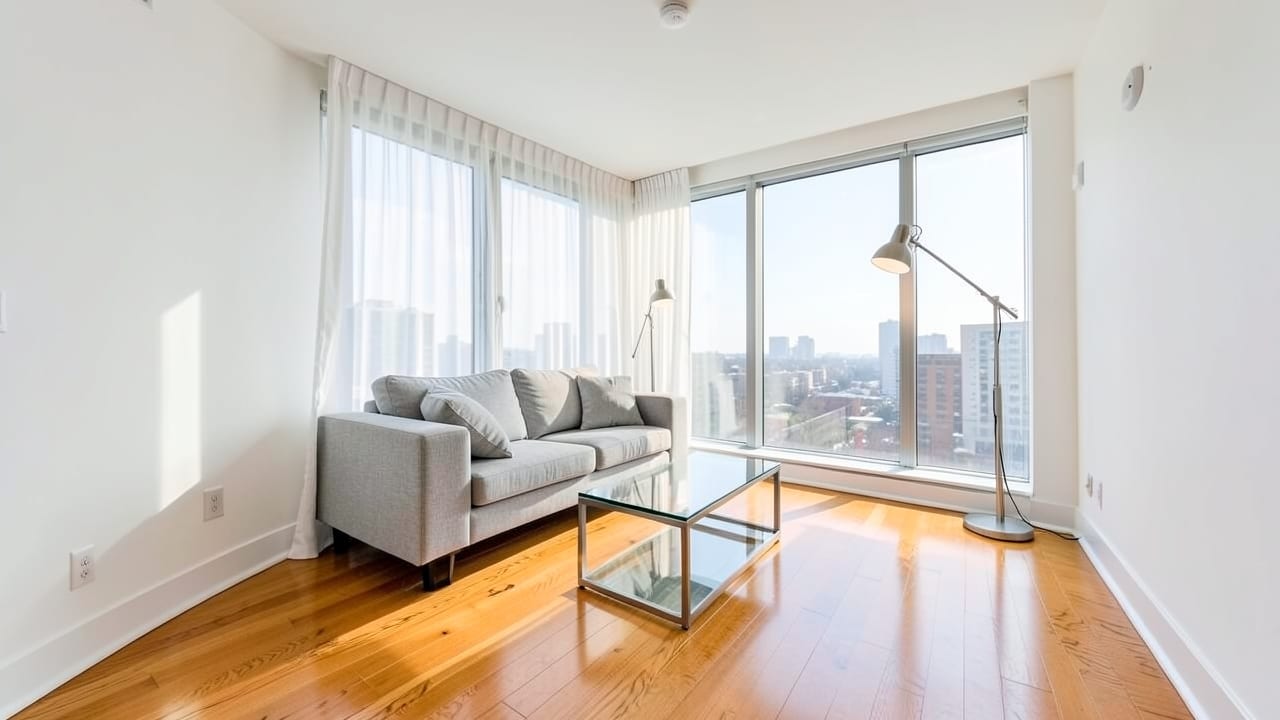
Condo Mold Remediation in Haverford, PA
Professional removal and treatment of mold in condominiums to restore safe, healthy living spaces.
Learn More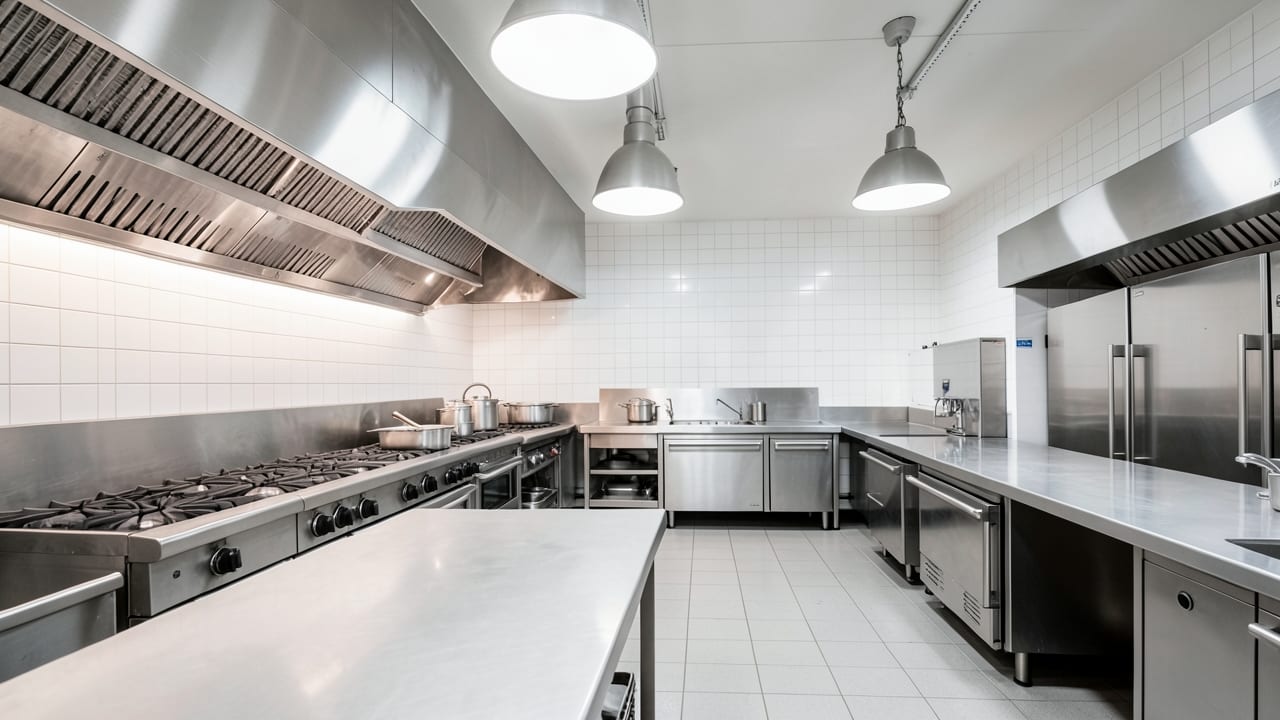
Restaurant Mold Remediation in Haverford, PA
Professional mold removal and remediation for restaurant spaces to ensure safety and compliance.
Learn More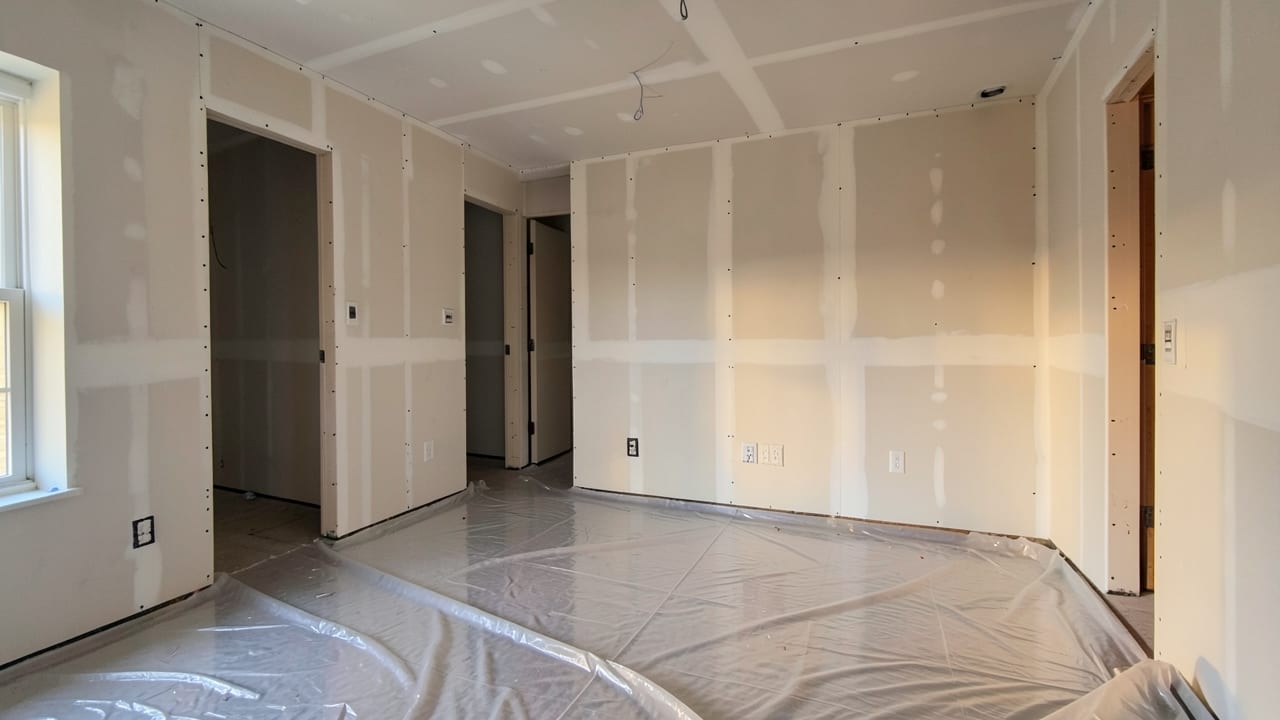
New Construction Mold Remediation in Haverford, PA
Professional mold removal and prevention in newly built homes to ensure safe, clean living spaces.
Learn More
Hotel Mold Remediation in Haverford, PA
Professional removal and treatment of mold growth in hotel properties to restore safe, clean environments.
Learn MoreCommon Questions About Mold Remediation in Haverford
Everything you need to know about mold remediation services in Haverford
How much does Mold Prevention & Moisture Control typically cost in Haverford, PA?
Why does Haverford, PA's humidity make mold a bigger risk than in drier regions?
Is a final clearance test part of a typical mold remediation job?
How does mold remediation actually prevent the problem from coming back?
Can mold growing inside HVAC ductwork spread to the rest of a home?
Does mold mean the same thing as mildew?
Need Mold Remediation in Haverford?
Connect with local providers in Haverford for a detailed quote.
⏰ We answer your call • Serving all of Haverford and surrounding areas