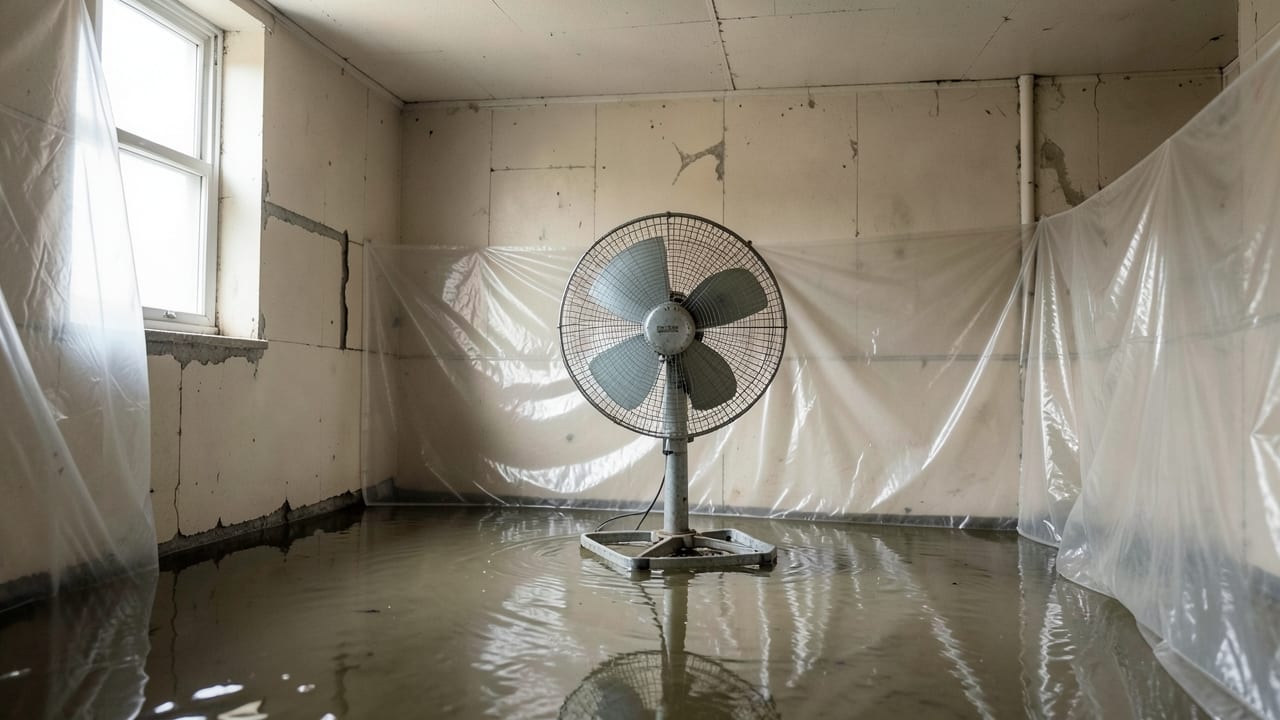
Storm Damage Mold Cleanup
Professional cleanup and remediation of mold caused by storm-related water damage in homes.
Storm damage in Haverford, PA, often leaves hidden mold growth in walls, ceilings, or basements due to trapped moisture. This service focuses on safely removing mold colonies while addressing the underlying water intrusion to prevent regrowth.
Containment, HEPA filtration, and structural drying are all part of a thorough cleanup designed to stop mold at its source.
We also handle Mold Inspection and Mold Testing & Air Quality Testing for Haverford properties.
When storm damage mold needs professional help
Mold after a storm often starts small but can spread quickly behind walls, under flooring, or inside ductwork.
If the growth covers more than a few square feet, keeps returning after cleaning, or you notice a musty smell with no visible source, it’s likely past the point where wiping it down will work.
Hidden moisture sources—like leaks, condensation, or poor drainage—are the real cause, and fixing them is just as important as removing the mold itself.
Rooms that stay damp—such as windowless bathrooms, closets, or basements—are especially prone to recurring mold. A small fan or dehumidifier can help maintain dryness after remediation, but the first step is identifying whether the moisture problem is structural, plumbing-related, or tied to outdoor water flow.
Signs You Need Storm Damage Mold Cleanup
- Mold covers more than a small, isolated patch (typically over 25 sq ft, the threshold where DIY cleanup stops being effective).
- The mold keeps coming back in the same spot after cleaning, suggesting the moisture source wasn’t addressed.
- You smell mustiness with no visible mold, which often means growth is hidden inside walls, under flooring, or in ductwork.
- The musty smell worsens when the HVAC system runs, indicating spores may be spreading through the vents.
What affects the cost of storm damage mold cleanup?
Pricing depends on the size of the affected area, the type of mold, and whether hidden growth is found during removal. Black mold typically costs more to remediate than other varieties, and jobs requiring structural repairs—like replacing drywall or fixing leaks—add to the total.
Containment, HEPA filtration, and clearance testing are standard steps that ensure the job is done thoroughly, but they’re often priced separately from the base remediation cost.
An accurate quote requires a detailed inspection first. Vague estimates that don’t specify square footage, testing, or moisture-source repairs can lead to unexpected costs later. Always ask for a written scope of work that breaks down what’s included before any work begins.
What to watch for during the cleanup process
Proper storm damage mold cleanup follows strict steps to prevent spores from spreading to unaffected areas. Containment—using plastic sheeting and negative-air machines—keeps disturbed spores from drifting through hallways or HVAC systems.
Skipping this step turns a contained job into a much larger one, as spores can settle in rooms that were never contaminated.
HEPA air scrubbers and vacuums are critical during removal. Standard shop vacuums and non-HEPA filters don’t capture mold spores—they recirculate them, making the problem worse.
After removal, industrial dehumidifiers and air movers dry the structure to prevent regrowth, and an independent clearance test confirms the space is safe before containment is removed.
Pressuring you to sign a contract during the inspection visit, requesting full payment upfront, or offering a bid far lower than others are red flags. Legitimate remediation includes containment, clearance testing, and a written scope of work—never skip these steps to save money.
How storm damage mold cleanup works
This process is designed to remove mold safely while preventing spores from spreading or returning.
- 1Containment Setup
Plastic sheeting and negative-air machines seal off the work area to trap spores during removal, preventing them from drifting into other parts of the home.
- 2Mold Removal
Porous materials like drywall and insulation that absorb mold are cut out and bagged, while non-porous surfaces like framing are scrubbed and treated to kill remaining spores.
- 3HEPA Filtration and Drying
HEPA air scrubbers run continuously to capture airborne spores, and industrial dehumidifiers dry the structure to moisture levels that prevent regrowth.
- 4Clearance Testing
An independent lab tests the air or surfaces after removal to confirm spore counts are back to normal before containment is removed.
- 5Moisture Source Repair
Fixing leaks, improving ventilation, or adjusting outdoor grading stops the conditions that let mold grow in the first place.
Frequently asked questions
How do I know if the mold after a storm is dangerous?
Most household mold isn’t toxic, but black mold (Stachybotrys) and large colonies can trigger allergies or respiratory issues. If the growth is extensive, hidden, or keeps returning, professional removal is safer than DIY methods, which can spread spores.
Will my insurance cover storm damage mold cleanup?
Many homeowners’ policies cover mold damage if it’s tied to a covered storm event, but exclusions vary. Check your policy or contact your insurer before starting work—some require a claim for remediation costs.
How long does it take to fully dry and test a mold-affected area?
Drying can take days to weeks, depending on the size and moisture levels. Clearance testing usually follows within a few days after drying is complete, ensuring the space is safe before you reoccupy it.
What should I do if I find mold in my walls after a storm?
Avoid disturbing it—scrubbing or painting over mold can spread spores. Instead, seal off the area, ventilate the space, and contact a professional to inspect and remediate safely.
See East Lansdowne, PA for more, or take a look at everything on offer in Haverford in one place for our complete lineup.
Ready to get started?
Talk to a local mold remediation pro in Haverford — get a written quote.
Other Mold Remediation Services in Haverford
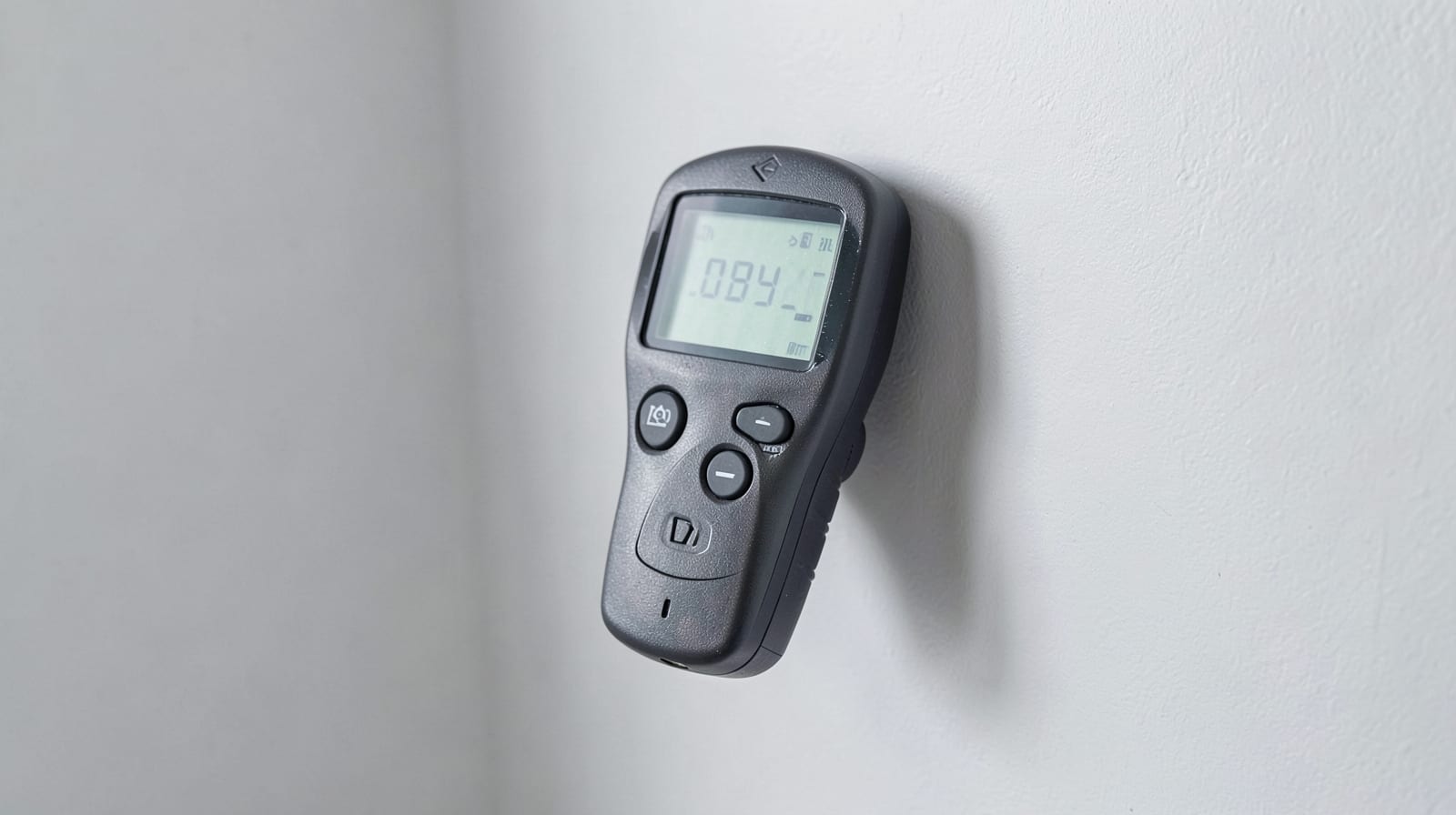
Mold Inspection in Haverford, PA
Mold inspection in Haverford, PA — a visual and moisture-meter assessment that finds the source of growth, not just the visible spot on the wall.
Learn More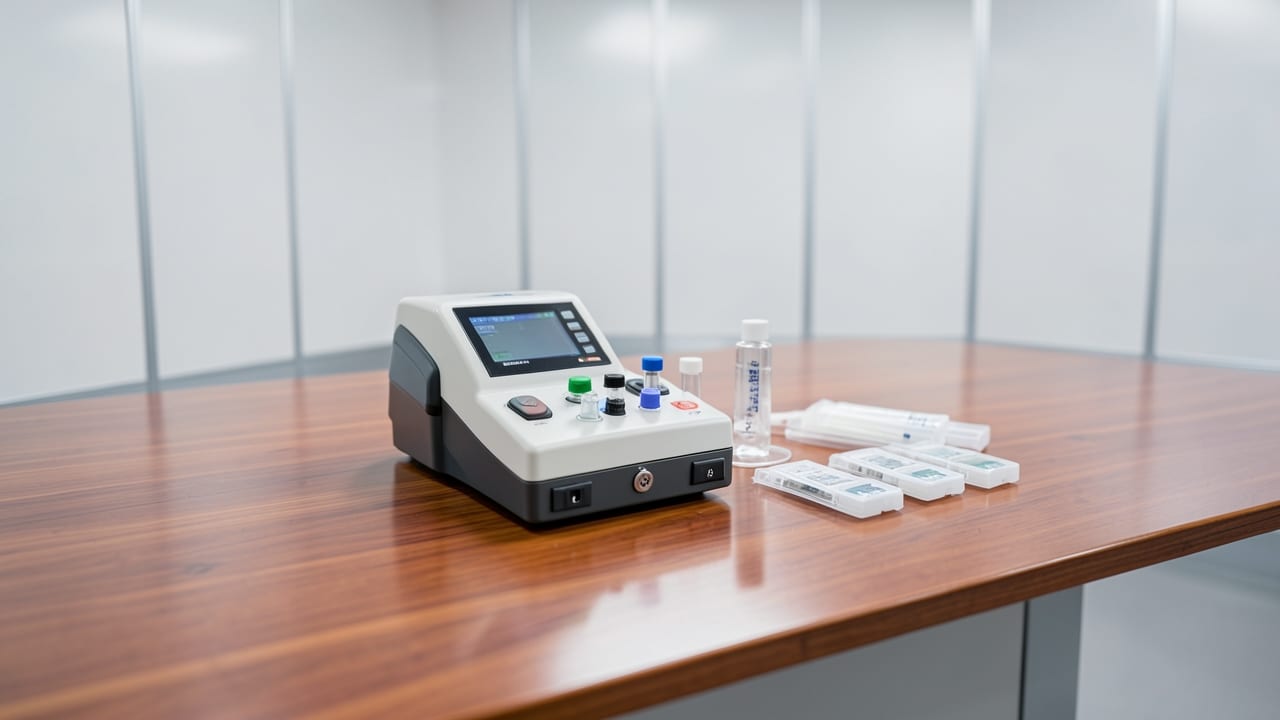
Mold Testing & Air Quality Testing in Haverford, PA
Mold and indoor air quality testing in Haverford, PA — lab-analyzed air and surface samples confirm what's actually growing and whether it's airborne.
Learn More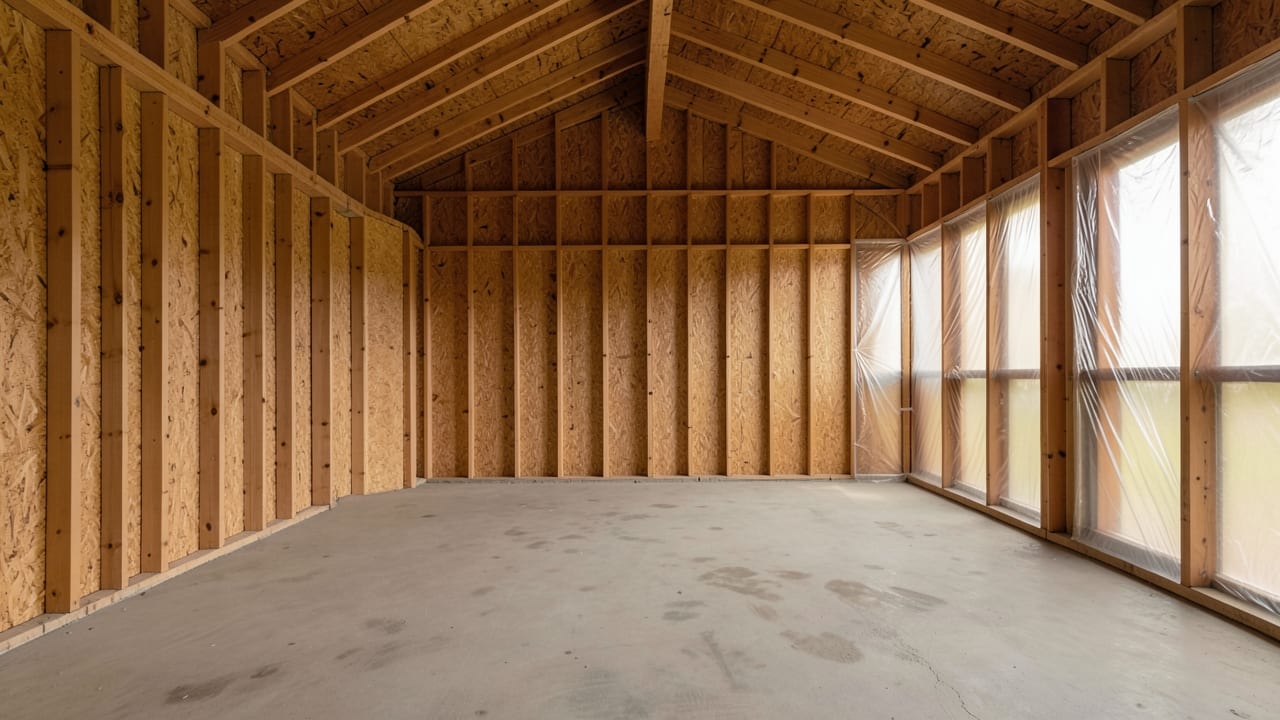
Mold Removal & Remediation in Haverford, PA
Mold removal and remediation in Haverford, PA — containment, HEPA filtration, and removal of affected material following industry (IICRC S520) protocol.
Learn More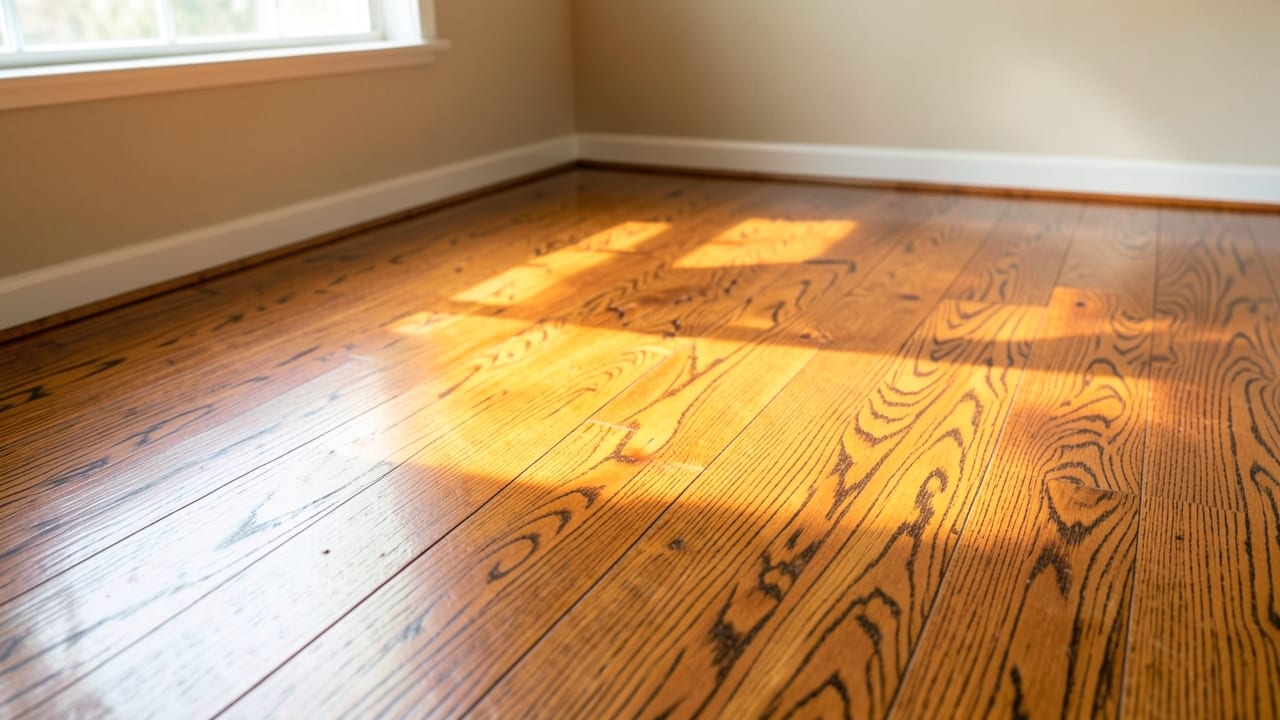
Water Damage Restoration in Haverford, PA
Water damage restoration in Haverford, PA — extraction and structural drying to stop mold growth before it starts, following a leak, storm, or flood.
Learn More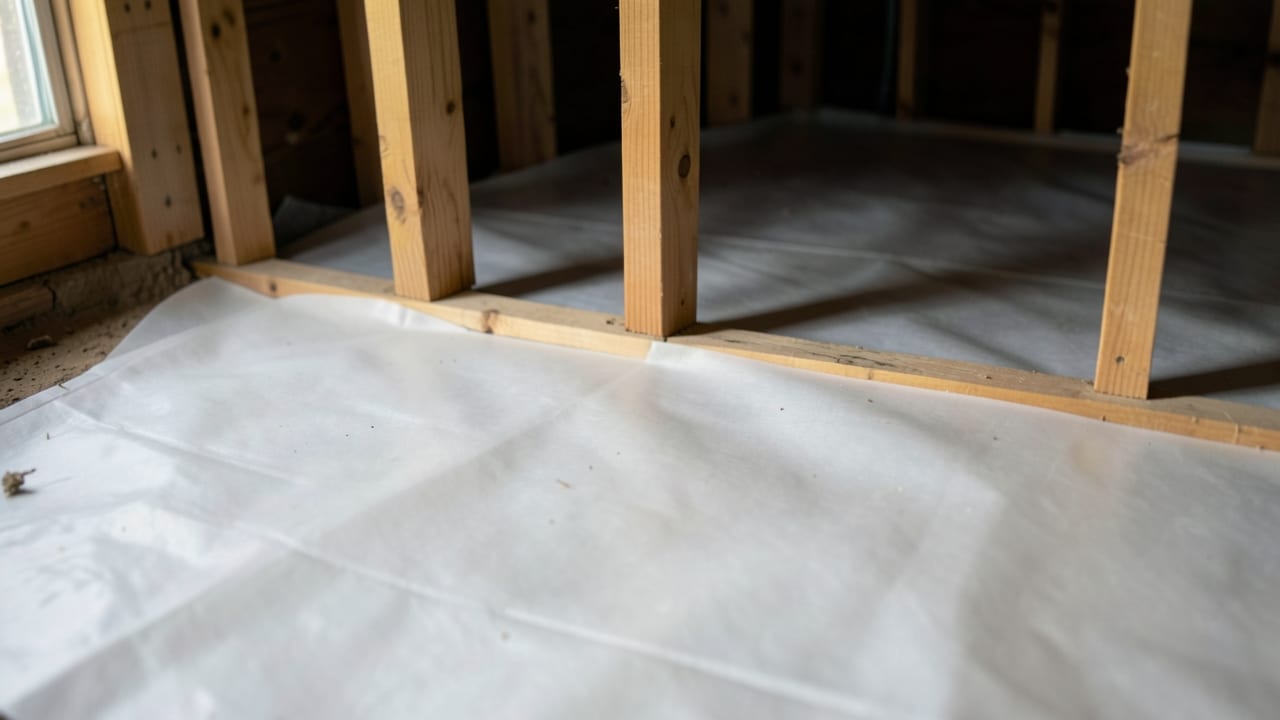
Crawl Space & Basement Mold Remediation in Haverford, PA
Crawl space and basement mold remediation in Haverford, PA addresses the two areas of a property most prone to trapped, unnoticed moisture.
Learn More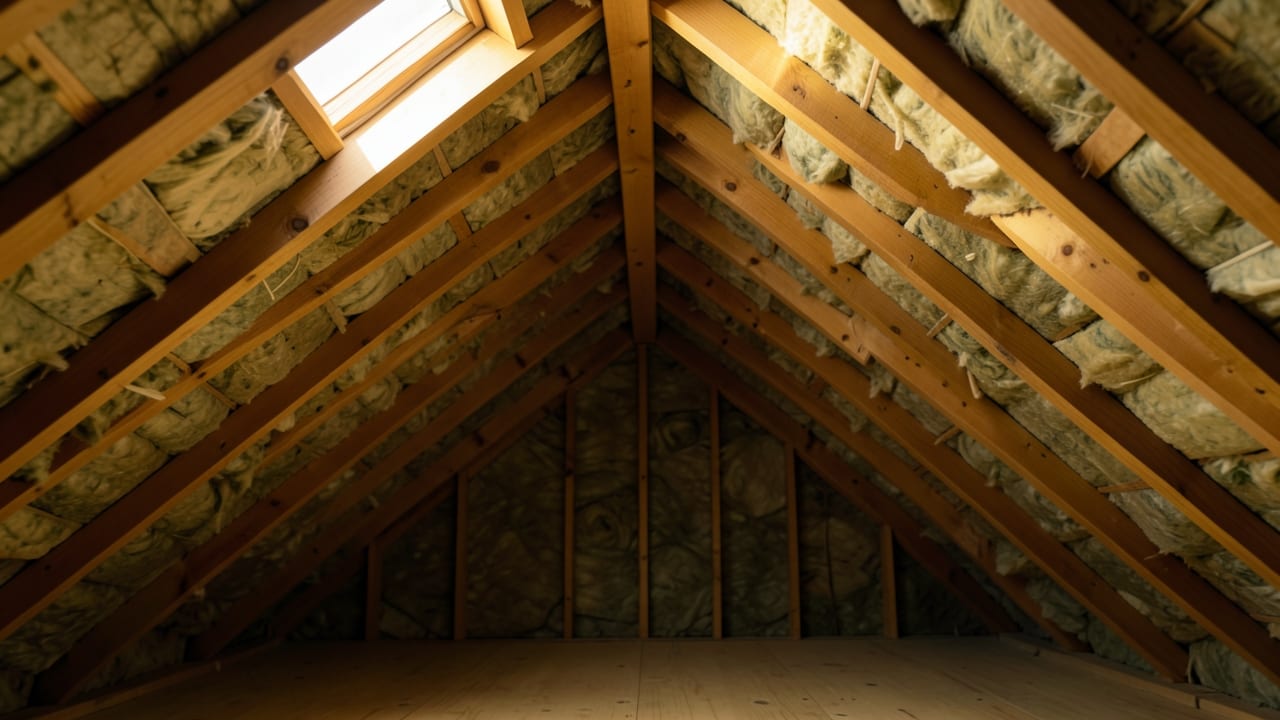
Attic Mold Remediation in Haverford, PA
Attic mold remediation in Haverford, PA addresses roof-deck growth typically caused by poor ventilation or a hidden roof leak.
Learn MoreCommon Questions About Mold Remediation in Haverford
Everything you need to know about mold remediation services in Haverford
How much does Storm Damage Mold Cleanup typically cost in Haverford, PA?
Why does Haverford, PA's humidity make mold a bigger risk than in drier regions?
What's the actual difference between mold removal and mold remediation?
Is a final clearance test part of a typical mold remediation job?
How does mold remediation actually prevent the problem from coming back?
Can mold growing inside HVAC ductwork spread to the rest of a home?
Need Mold Remediation in Haverford?
Connect with local providers in Haverford for a detailed quote.
⏰ We answer your call • Serving all of Haverford and surrounding areas