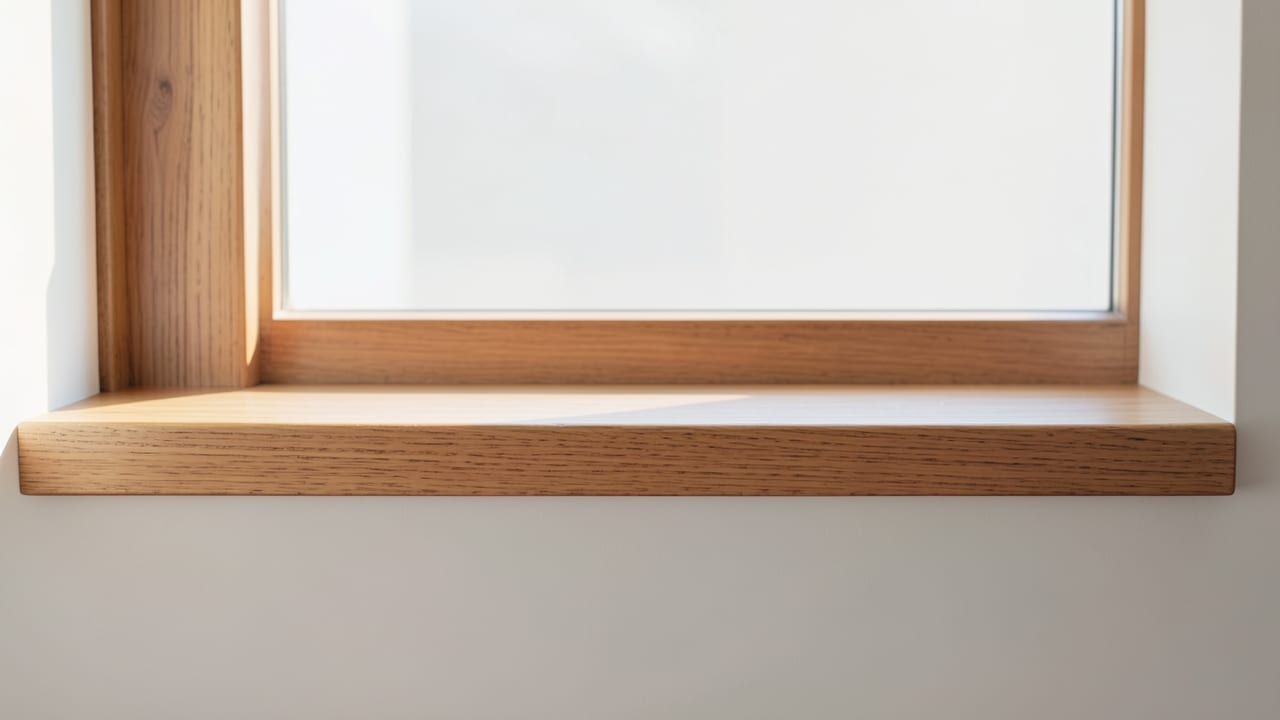
Window Sill Mold Cleanup
Professional cleanup of mold growth on window sills to restore a healthy indoor environment.
Window sill mold in Haverford, PA, thrives on moisture trapped between glass and frame, often spreading to surrounding wood, vinyl, or composite materials. Professional cleanup involves containment, targeted removal, HEPA filtration, and drying to prevent regrowth, addressing both visible spores and hidden moisture sources that fuel recurrence.
When to call for help
Window sill mold often starts as a small discoloration but can signal deeper issues if ignored. In Haverford’s humid climate, growth that reappears after cleaning or covers more than a few square inches usually means the moisture source—like condensation, leaks, or poor drainage—hasn’t been addressed.
We also handle Mold Removal & Remediation and Water Damage Restoration for Haverford properties.
Musty odors with no visible mold, or smells that worsen when HVAC runs, often indicate hidden growth in walls, ducts, or subfloors. These signs mean the problem may have spread beyond what a surface wipe-down can handle.
Signs Your Window Sill Mold Needs Professional Attention
- Mold covers more than a small, isolated patch (typically over 25 square feet, the threshold where DIY methods often fail).
- Growth returns within weeks after cleaning, suggesting the moisture source wasn’t fixed.
- A musty smell persists even after visible mold is wiped away, or gets stronger when HVAC turns on.
- The affected sill is wooden or has deep stains that won’t lift with store-bought cleaners.
What affects cost and scope
Pricing for window sill mold cleanup in Haverford depends on the size of the affected area, the materials involved (wood requires more labor than vinyl), and whether hidden moisture sources need addressing.
Black mold (often *Stachybotrys chartarum*) typically costs 15–25% more to remediate than other mold types due to stricter containment and disposal protocols.
Jobs that uncover hidden mold—like growth behind trim or inside walls—can increase costs significantly, as they require additional demolition, containment, and structural drying. Always confirm whether a quote includes containment setup, HEPA air scrubbing, and post-remediation clearance testing, as these steps are critical but sometimes omitted.
What happens after cleanup?
Even after mold is removed, the risk of regrowth depends on fixing the moisture source. In Haverford’s older homes, common culprits include poor window sealing, condensation from cold glass, or grading that directs water toward the foundation.
A small dehumidifier or fan in persistently damp rooms—like windowless bathrooms or basements—can help maintain dry conditions long-term.
Post-remediation, an independent clearance test confirms spore levels are back to normal. Without this step, there’s no way to verify whether the job fully resolved the contamination. Checking humidity in the treated area periodically during the first year can catch early recurrence before it spreads.
Removing mold without addressing leaks, condensation, or grading issues leaves the same materials exposed to the same conditions. Regrowth in the same spot within months is predictable—and often costs more to fix a second time.
How window sill mold cleanup works
Professional remediation follows a structured process to safely remove mold and prevent recurrence.
- 1Containment Setup
Plastic sheeting seals off the work area, and negative-air machines create a vacuum that traps spores inside the containment zone. This prevents cross-contamination to other parts of the home.
- 2Removal and Treatment
Porous materials like drywall or carpet padding that absorb mold are cut out and disposed of. Non-porous surfaces—such as wood, vinyl, or tile—are scrubbed with antimicrobial solutions and dried thoroughly.
- 3HEPA Filtration
HEPA air scrubbers run continuously during cleanup, and surfaces are vacuumed with HEPA-filtered equipment to capture spores that become airborne during removal.
- 4Structural Drying
Industrial dehumidifiers and air movers reduce moisture in framing and subfloors to normal levels. Mold cannot regrow on dry materials, even if spores remain.
- 5Clearance Testing
An independent lab tests air or surface samples post-remediation to confirm spore counts are within normal ranges before containment is removed.
Frequently asked questions
Can I clean window sill mold myself, or should I hire a professional?
Small, isolated patches (under 25 square feet) can sometimes be cleaned with vinegar or a commercial mold killer, but professional remediation is recommended if the mold keeps returning, covers a larger area, or if you suspect hidden growth. DIY methods often miss spores embedded in porous materials or fail to address moisture sources.
How long does the cleanup process take?
For a single window sill, containment and removal typically take 2–4 hours, with additional time for drying (often 24–48 hours) and clearance testing. Jobs with hidden mold or larger affected areas may take several days to complete.
Will my insurance cover window sill mold cleanup?
Most homeowners’ insurance policies exclude mold damage unless it’s caused by a sudden, accidental event like a burst pipe. If the mold stems from ongoing issues like poor ventilation or leaks, coverage is unlikely. Check your policy or consult your agent for specifics.
How can I prevent mold from coming back after cleanup?
Fix the moisture source first—seal leaks, improve airflow with fans or dehumidifiers, and ensure proper grading away from the foundation. In Haverford’s climate, maintaining indoor humidity below 50% and wiping down sills regularly can help keep mold from returning.
See Rosemont, PA for more, or find out about our full crew's Haverford services side by side for our complete lineup.
Ready to get started?
Talk to a local mold remediation pro in Haverford — get a written quote.
Other Mold Remediation Services in Haverford
Mold Removal & Remediation in Haverford, PA
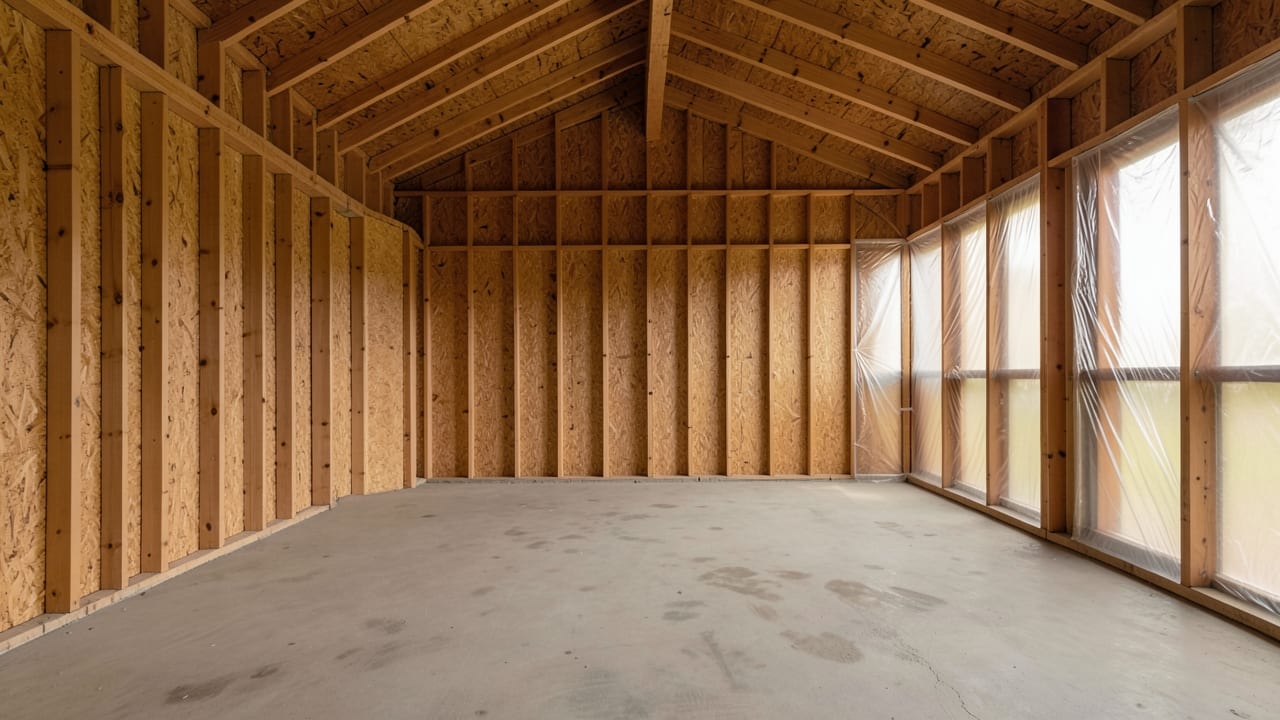
Mold removal and remediation in Haverford, PA — containment, HEPA filtration, and removal of affected material following industry (IICRC S520) protocol.
Learn More
Water Damage Restoration in Haverford, PA
Water damage restoration in Haverford, PA — extraction and structural drying to stop mold growth before it starts, following a leak, storm, or flood.
Learn More
Crawl Space & Basement Mold Remediation in Haverford, PA
Crawl space and basement mold remediation in Haverford, PA addresses the two areas of a property most prone to trapped, unnoticed moisture.
Learn More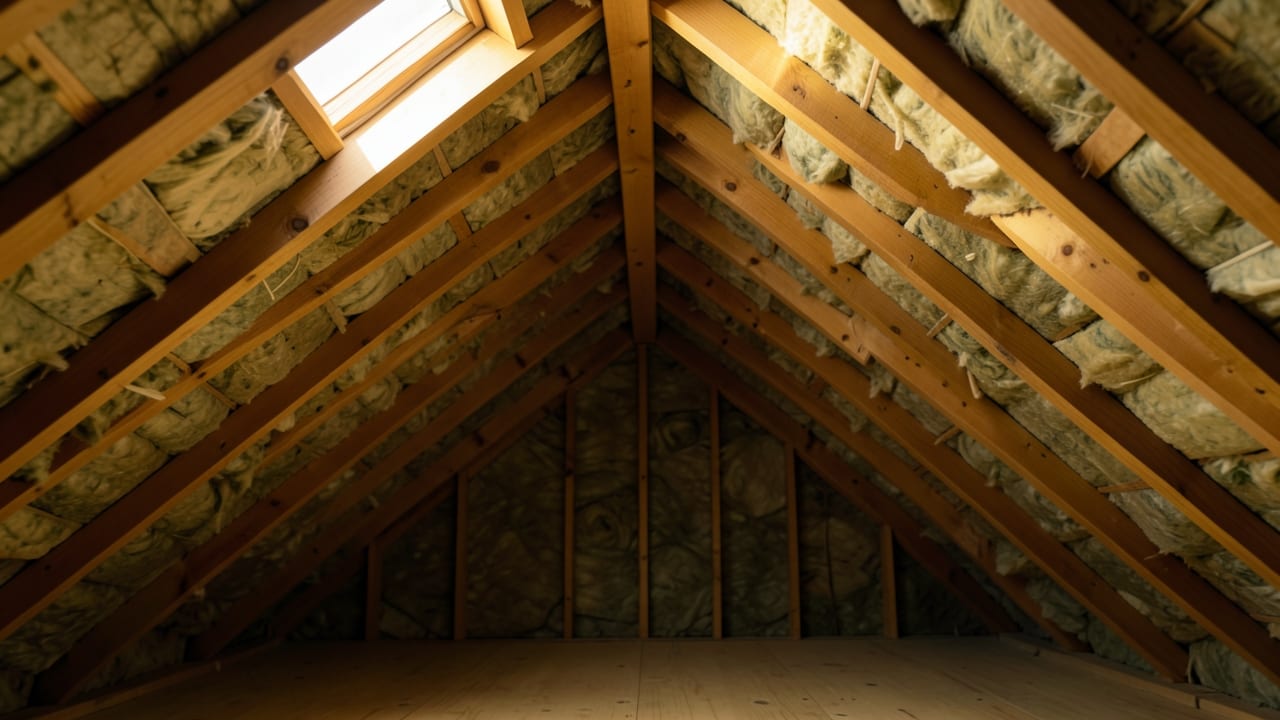
Attic Mold Remediation in Haverford, PA
Attic mold remediation in Haverford, PA addresses roof-deck growth typically caused by poor ventilation or a hidden roof leak.
Learn More
Commercial Mold Remediation in Haverford, PA
Commercial mold inspection and remediation in Haverford, PA for offices, retail space, and multi-unit properties, scheduled around business operations.
Learn More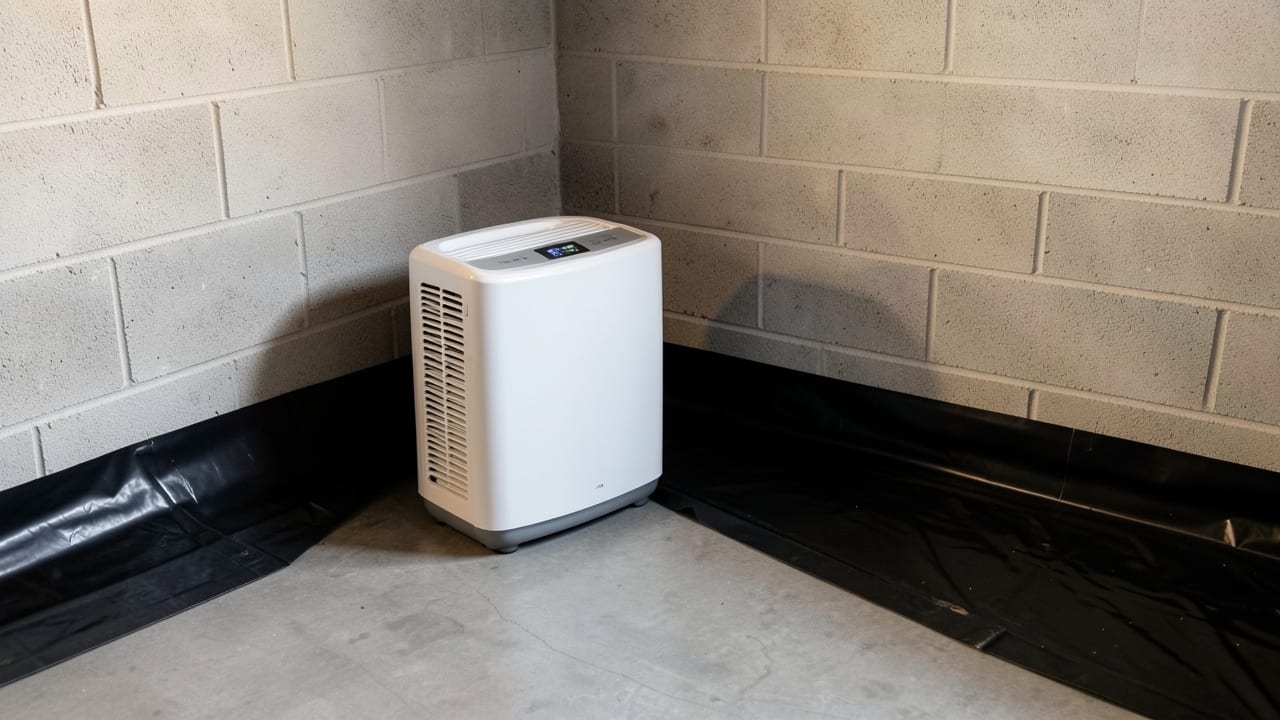
Mold Prevention & Moisture Control in Haverford, PA
Mold prevention and moisture control in Haverford, PA — addressing ventilation, humidity, and drainage before growth starts, not after.
Learn MoreCommon Questions About Mold Remediation in Haverford
Everything you need to know about mold remediation services in Haverford
How much does Window Sill Mold Cleanup typically cost in Haverford, PA?
Why does Haverford, PA's humidity make mold a bigger risk than in drier regions?
Is it safe to stay in the home during mold remediation?
Can small mold problems be handled without hiring anyone?
What's the actual difference between mold removal and mold remediation?
Is a final clearance test part of a typical mold remediation job?
Need Mold Remediation in Haverford?
Connect with local providers in Haverford for a detailed quote.
⏰ We answer your call • Serving all of Haverford and surrounding areas