The Science Behind Effective Mold Remediation in Haverford
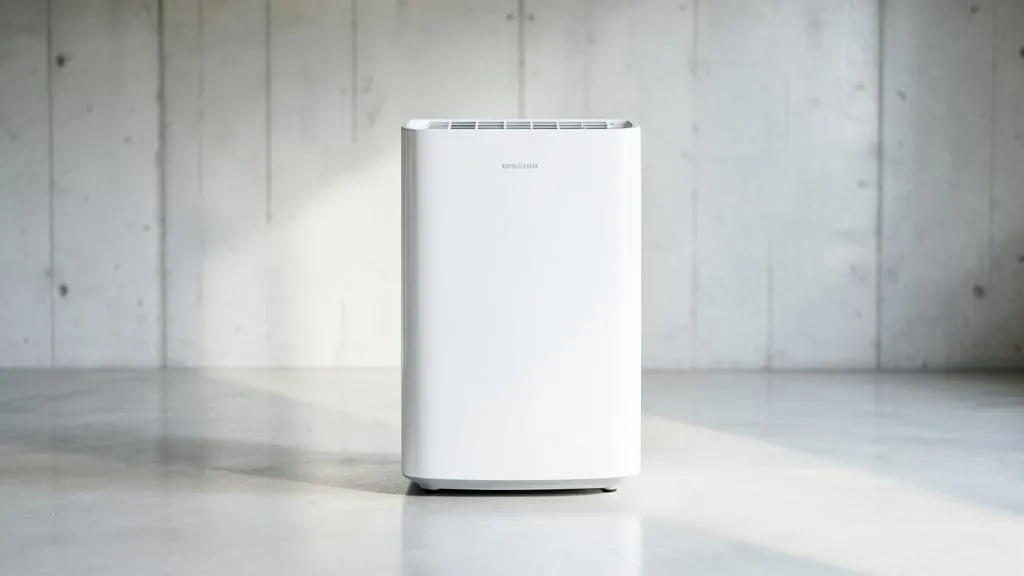
Mold isn’t just an eyesore—it’s a biological invader that thrives in the damp, humid conditions common to our area. Effective remediation isn’t about bleach and elbow grease; it’s a science-driven process that targets the root cause: moisture. We break down how professionals in Haverford stop mold in its tracks, not just for today, but for good.
Why Mold Thrives in Our Climate
Haverford’s humid summers and wet springs create prime conditions for mold growth. Spores, always present in the air, land on damp surfaces and colonize within 24–48 hours if moisture isn’t controlled.
Basements in Ardmore, crawl spaces in Wynnewood, and attics in Villanova are especially vulnerable. Poor ventilation and water intrusion—from leaks or flooding—accelerate the problem.
The Hidden Dangers of Mold Beyond the Surface
Visible mold is just the tip of the iceberg. Behind drywall, under flooring, or inside HVAC ducts in Bryn Mawr and Havertown homes, colonies can spread unseen, releasing mycotoxins that compromise indoor air quality.
Long-term exposure can trigger allergies, respiratory issues, and structural damage. That’s why mold inspection and air quality testing are critical first steps before any remediation begins.
Agitating mold without containment can release millions of spores into the air, worsening contamination. Always rely on professionals for safe, controlled removal.
How Professionals Diagnose Mold Problems
We don’t guess—we measure. Moisture meters, thermal imaging, and air sampling tools help our team pinpoint hidden mold and its moisture sources in neighborhoods like Gladwyne and Broomall.
Mold testing identifies the species (e.g., Stachybotrys, Aspergillus) and spore counts, guiding the remediation strategy. This data ensures we address the exact problem, not just the symptoms.
Containment: The First Line of Defense
Before removal, we isolate the affected area using physical barriers and negative air pressure. This prevents spores from migrating to clean zones in your Haverford home or business.
HEPA air scrubbers filter airborne spores during the process, a standard practice in commercial mold remediation across Wayne and Lansdowne as well.
| Method | Best For | Effectiveness |
|---|---|---|
| Physical Barriers (Plastic Sheeting) | Small to medium areas, residential | High (with proper sealing) |
| Negative Air Pressure | Large or commercial spaces | Very High (prevents cross-contamination) |
| HEPA Air Scrubbers | All remediation projects | Essential for airborne spore control |
The Remediation Process: More Than Just Cleaning
Non-porous surfaces (like glass or metal) can often be cleaned with antimicrobial agents. But porous materials—drywall, insulation, or carpet in Narberth or Penn Wynne homes—usually require removal and replacement.
Sporicidal treatments ensure remaining spores are neutralized. Then, we address the moisture source—whether it’s a leaky pipe, poor drainage, or high humidity—to prevent regrowth.
Fixing the moisture issue is non-negotiable. Without it, mold will return—often worse than before. Dehumidifiers and vapor barriers are common solutions in basements and crawl spaces.
Restoring Indoor Air Quality After Remediation
Post-remediation, we verify success with clearance testing. This confirms spore levels are back to normal, safe ranges. HVAC mold remediation is often needed in Merion Station or St. Davids to ensure ducts aren’t spreading spores.
For severe cases, fogging with antimicrobial agents may be used to treat hard-to-reach areas. Always follow EPA and IICRC guidelines for safety and efficacy.
Local Hotspots: Where Mold Hides in Haverford Area Homes
Basements in West Conshohocken and Conshohocken often suffer from poor drainage. Attics in Devon or Millbourne may trap moisture from roof leaks. Crawl spaces in Collingdale or Bridgeport are notorious for high humidity.
Even newer homes in Swedeland or Yeadon aren’t immune—construction moisture or HVAC issues can create problems. Regular mold inspections catch issues early.
Common Mold Hideouts
- Behind drywall in bathrooms or kitchens
- Under sinks and around plumbing fixtures
- In HVAC systems and ductwork
- Beneath carpeting or padding
- Inside wall cavities or ceiling tiles
How to Prevent Mold Growth in Your Home
Stopping mold before it starts is the best defense.
- 1Control Humidity
Keep indoor humidity below 50% with dehumidifiers, especially in basements and crawl spaces. This is critical in our region’s humid climate.
- 2Fix Leaks Immediately
Address plumbing leaks, roof drips, or foundation cracks promptly. Even small leaks in Drexel Hill or Aldan can lead to big mold problems.
- 3Improve Ventilation
Use exhaust fans in bathrooms and kitchens. Ensure attics and crawl spaces are properly vented to reduce moisture buildup.
- 4Inspect Regularly
Check for water stains, musty odors, or condensation on windows. Schedule professional mold inspections annually if you’re in a high-risk area like Swedesburg or Darby.
- 5Use Mold-Resistant Materials
Opt for moisture-resistant drywall, paint, and insulation in prone areas like basements or bathrooms. This is a smart upgrade in many local homes.
Frequently Asked Questions
How quickly can mold grow after a water leak in Haverford?
Mold can begin colonizing within 24–48 hours of water exposure, especially in warm, humid conditions. Immediate water damage restoration is key to preventing an infestation.
Is bleach effective for mold removal?
Bleach kills surface mold on non-porous materials but doesn’t penetrate porous surfaces like drywall or wood. Professionals use specialized antimicrobial and sporicidal agents for thorough remediation.
Can mold return after remediation?
Yes, if the moisture source isn’t addressed. Effective remediation includes fixing leaks, improving ventilation, and controlling humidity to prevent recurrence.
Do I need to leave my home during mold remediation?
For small, contained projects, you may not need to relocate. However, large-scale or severe infestations—common in commercial spaces or extensive residential cases—often require temporary evacuation for safety.
What’s the difference between mold testing and mold inspection?
Mold inspection visually identifies mold and moisture issues, while mold testing (air or surface sampling) quantifies spore levels and species. Both are often used together for a complete assessment.
Are there specific mold risks in older Haverford homes?
Older homes in areas like Bala Cynwyd or Rosemont may have outdated plumbing, poor ventilation, or deteriorating materials that trap moisture. Asbestos testing is also recommended if the home was built before the 1980s.