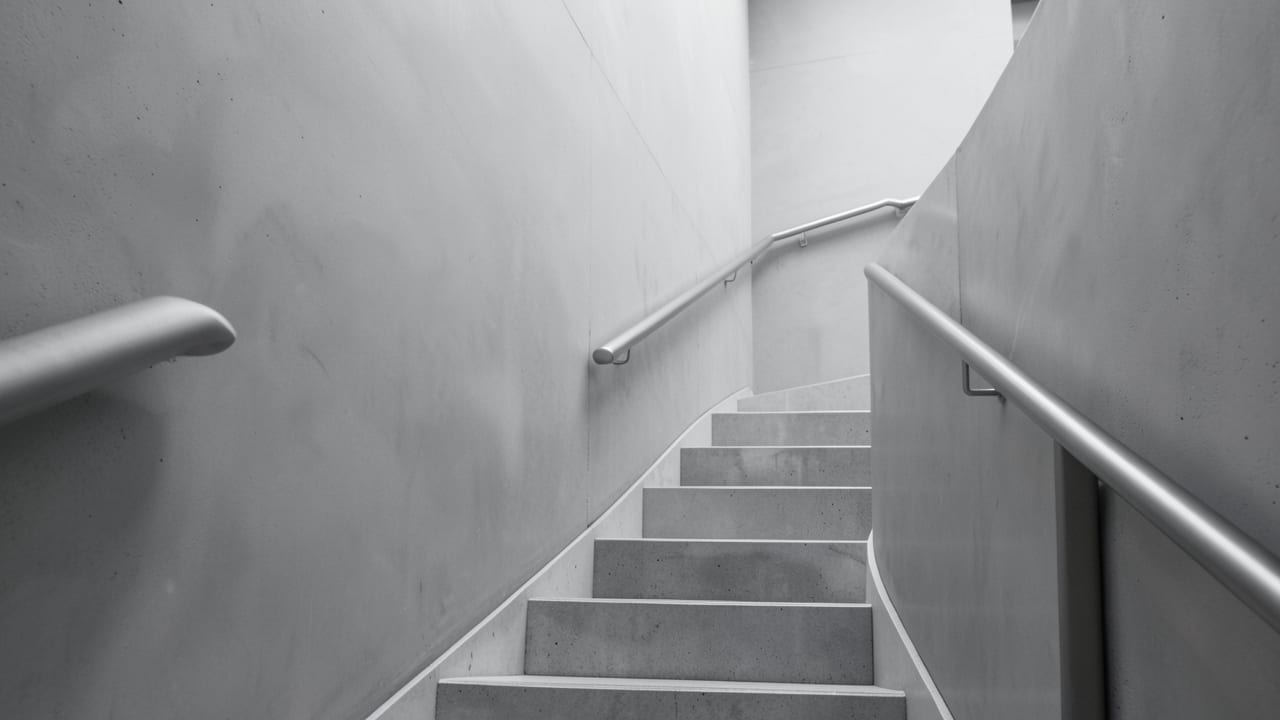
Stairwell Mold Remediation
Professional mold removal and prevention in stairwells to restore safe, clean spaces.
Stairwell mold remediation in Haverford, PA addresses mold growth in staircases, landings, and connected areas by safely removing contaminated materials and treating hidden spores. Proper containment, HEPA filtration, and moisture control help prevent regrowth and structural damage in your home.
When to consider stairwell mold remediation
Mold in stairwells often starts small but can spread quickly if moisture issues persist. Look for visible growth covering more than a few square feet, recurring mold after cleaning, or musty odors that worsen with HVAC use. These signs suggest hidden moisture or extensive contamination beyond DIY solutions.
We also handle Commercial Mold Remediation and Mold Prevention & Moisture Control for Haverford properties.
Stairwells are high-traffic areas, so mold here can expose your family to spores daily. Without proper removal and moisture control, mold may return within months, damaging wood, drywall, and insulation over time.
Signs Your Stairwell Needs Professional Remediation
- Mold covers more than 25 contiguous square feet (a common threshold for professional work).
- Visible mold keeps returning after cleaning, even with surface treatments.
- A musty smell lingers in the stairwell or spreads when HVAC runs, suggesting hidden growth.
- Wood framing, drywall, or insulation shows signs of warping, discoloration, or crumbling—signs of deep mold penetration.
- You notice mold in multiple connected areas (landings, basements, or upper floors) at once.
What affects cost and timeline?
The size of the affected area, type of materials (porous vs. non-porous), and whether hidden moisture sources exist all influence pricing. Black mold or extensive structural damage typically require more labor and containment time, raising costs.
Containment, HEPA filtration, and clearance testing add time and expense but are critical to preventing cross-contamination. Skipping these steps can lead to higher costs later if mold spreads to unaffected areas.
Why containment and testing matter
Plastic sheeting and negative-air machines seal off the work area to trap spores during removal, preventing them from drifting into other parts of your home. Without this, spores can spread through hallways or HVAC systems, turning a small job into a larger one.
Clearance testing after remediation—using an independent lab—confirms spore levels are back to normal. This step ensures the work was effective and helps avoid recurring issues.
Skipping containment or using non-HEPA equipment (like standard shop vacuums) can recirculate spores, making the problem worse. Always verify that remediation includes proper containment, HEPA filtration, and post-work testing.
How stairwell mold remediation works
This process safely removes mold and prevents regrowth by isolating the area, treating surfaces, and addressing moisture sources.
- 1Containment Setup
Plastic sheeting and negative-air machines seal off the stairwell to trap spores during removal, preventing them from spreading to other areas of your home.
- 2Material Removal or Treatment
Porous materials (drywall, carpet padding) with deep mold penetration are cut out and bagged, while non-porous surfaces (tile, framing) are scrubbed and treated with antimicrobial solutions.
- 3HEPA Filtration and Cleanup
HEPA air scrubbers run continuously to capture airborne spores, and surfaces are vacuumed with HEPA-filtered equipment to ensure no spores remain in the air or on treated areas.
- 4Structural Drying
Industrial dehumidifiers and air movers dry framing and subfloors to normal moisture levels, as damp wood or materials can still support mold growth.
- 5Clearance Testing
An independent lab tests air or surfaces post-remediation to confirm spore counts are back to normal before containment is removed.
Frequently asked questions
Can I clean stairwell mold myself if it’s a small patch?
Small, isolated patches (under 10 sq ft) can sometimes be cleaned with vinegar, detergent, and a HEPA vacuum. However, if the mold keeps returning or covers a larger area, professional remediation is safer and more effective.
Will remediation fix the musty smell in my stairwell?
Remediation removes mold and treats surfaces, which often reduces odors. However, lingering smells may indicate hidden mold or moisture—clearance testing can confirm whether the issue is fully resolved.
How long does the stairwell need to stay contained after remediation?
Containment typically stays in place until HEPA filtration and clearance testing confirm spore levels are safe. This can take anywhere from a few days to a week, depending on the job’s complexity.
What should I do to prevent mold from coming back?
Fix any leaks, improve airflow in damp areas (like basements), and monitor humidity with a hygrometer. Running a small fan or dehumidifier in persistently damp spots can help keep moisture in check.
See Ardmore, PA for more, or take a look at every option available in Haverford step by step for our complete lineup.
Ready to get started?
Talk to a local mold remediation pro in Haverford — get a written quote.
Other Mold Remediation Services in Haverford
Commercial Mold Remediation in Haverford, PA
Commercial mold inspection and remediation in Haverford, PA for offices, retail space, and multi-unit properties, scheduled around business operations.
Learn More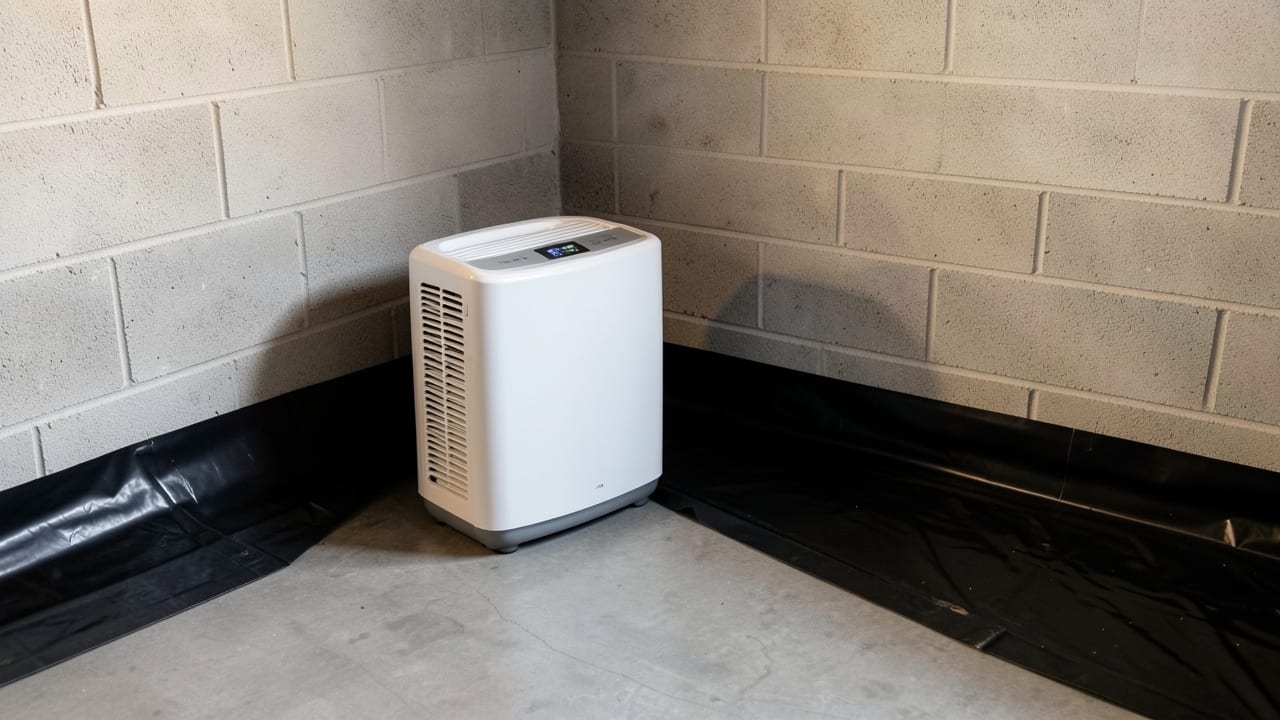
Mold Prevention & Moisture Control in Haverford, PA
Mold prevention and moisture control in Haverford, PA — addressing ventilation, humidity, and drainage before growth starts, not after.
Learn More
Mold & Asbestos Testing in Haverford, PA
Combined mold and asbestos testing in Haverford, PA — one inspection visit, lab-verified results for both.
Learn More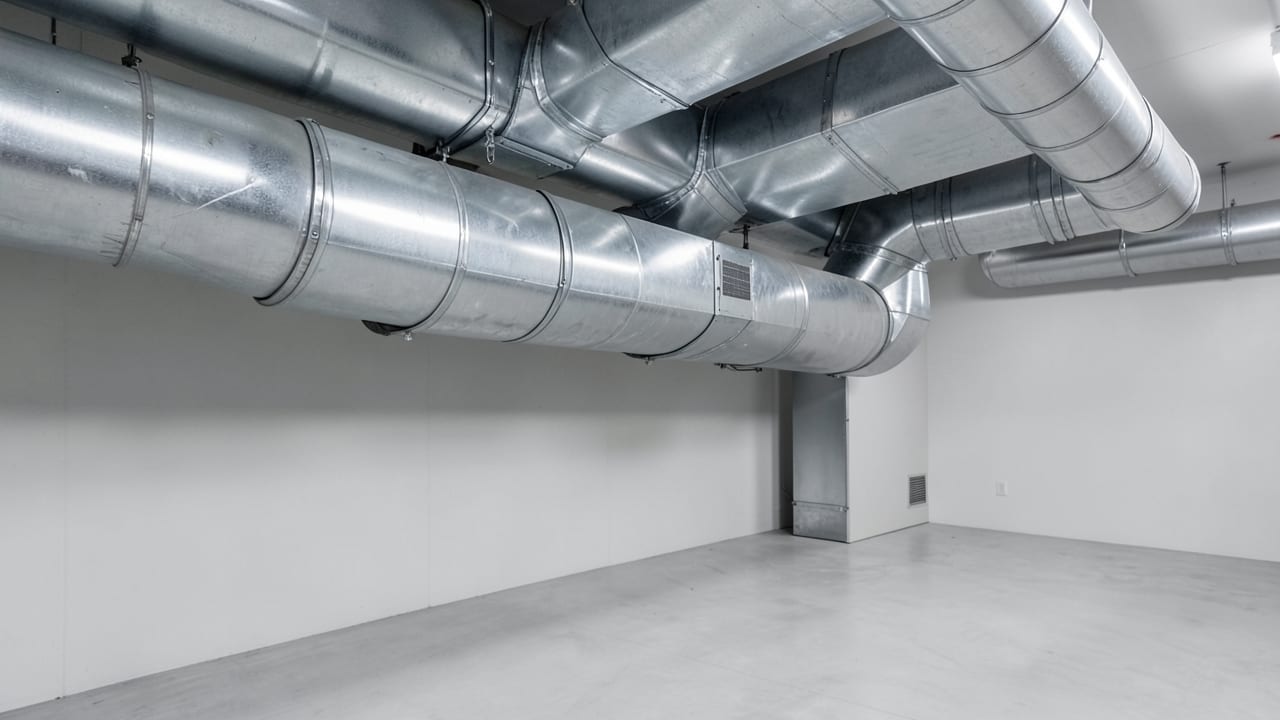
HVAC Mold Remediation in Haverford, PA
HVAC and ductwork mold remediation in Haverford, PA — mold growing inside the air handler or duct system, spreading through every vent.
Learn More
Drywall Mold Remediation in Haverford, PA
Professional removal and treatment of mold growth behind or on drywall surfaces.
Learn More
Concrete Mold Remediation in Haverford, PA
Professional removal and treatment of mold from concrete surfaces in homes.
Learn MoreCommon Questions About Mold Remediation in Haverford
Everything you need to know about mold remediation services in Haverford
How much does Stairwell Mold Remediation typically cost in Haverford, PA?
Why does Haverford, PA's humidity make mold a bigger risk than in drier regions?
How long does a typical mold remediation job take?
Is it safe to stay in the home during mold remediation?
Can small mold problems be handled without hiring anyone?
What's the actual difference between mold removal and mold remediation?
Need Mold Remediation in Haverford?
Connect with local providers in Haverford for a detailed quote.
⏰ We answer your call • Serving all of Haverford and surrounding areas